
RAD vs Cecchetti: Ballet Teaching Methods Compared
Royal Academy of Dance and Cecchetti methods differ in progression speed, anatomical focus, and exam structure. RAD's 2026 policy now recognizes Cecchetti credentials.
Royal Academy of Dance and Cecchetti methods differ in progression speed, anatomical focus, and exam structure. RAD's 2026 policy now recognizes Cecchetti credentials.
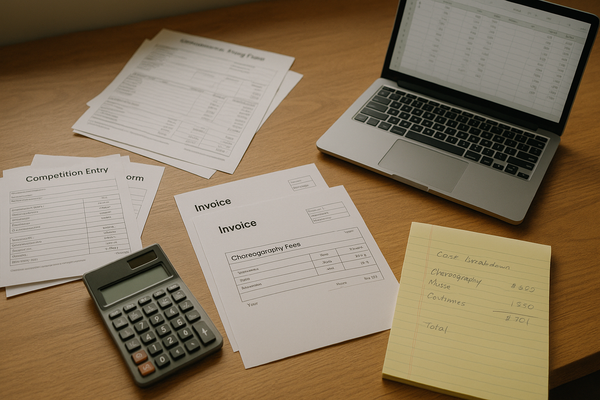
Independent choreographers charge $50–$500/hour in 2026, but studios pass fees to families through opaque pricing that hides mid-season costs.

How recital format drives retention and revenue: the business case for productions, showcases, and segmented events in 2026's evolving market.

Arthur Murray instructor training lasts 6-12 months with no dance experience required. What the Medalist System teaches, sales culture concerns, and how it compares to DVIDA.

K-12 dance teachers face state-by-state reciprocity hurdles, while private studio credentials from DMA and NDEO transfer seamlessly with no legal framework.
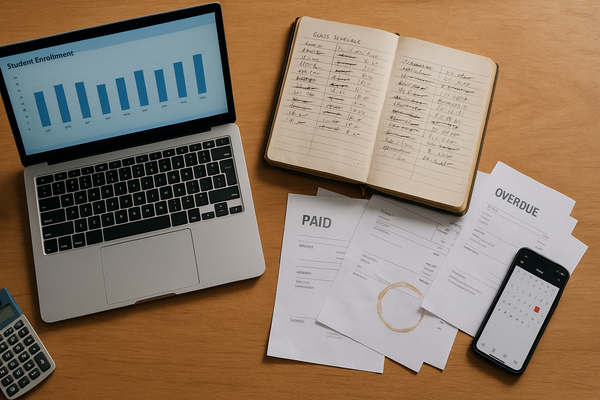
Free dance studio software caps students, limits billing, and costs more in owner time than paid options. Here's when to switch and what platforms actually cost in 2026.

Dance studios face unique financial challenges from seasonal revenue swings to complex payment plans. Learn the bookkeeping systems every owner needs.
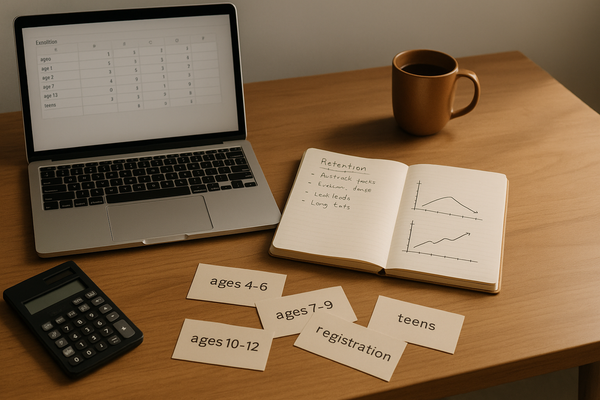
Average dance students deliver $4,800 in lifetime value, but retention costs 9x less than acquisition. Here's how to calculate SLV by segment and protect profitability.
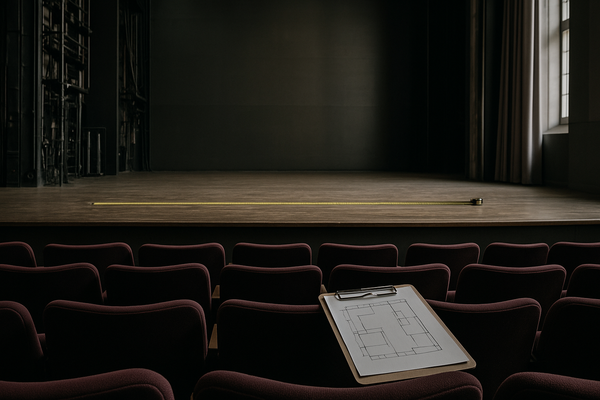
Stage dimensions, dressing room workflow, ADA compliance, and insurance requirements now matter more than seat count when selecting a recital venue.

Costume fees create cash flow friction for studios and families. Clear policies on damage, late returns, insurance, and written acknowledgment prevent disputes.

Dance studios face 25% turnover and replacement costs up to 200% of salary. Generic job descriptions fail. Here's how to write postings that retain talent.

The first 90 days determine whether a studio operates by design or survives by luck. Here's the phase-by-phase framework that turns launch chaos into sustainable growth.

Studio Business
With Arthur Murray opening a record 15 locations in Q1 2026, established studios need retention systems, niche positioning, and instructor loyalty to defend market share.

Studio Business
PCI DSS 4.0.1 compliance became mandatory March 31, 2026. What dance studios must verify before trusting billing and ticketing platforms with customer data.

Studio Business
Dance studio franchisees pay 6-8% royalties, but marketing fees, technology charges, and music licensing push total ongoing costs to 12-15% of gross revenue.
Industry Trends
Gen Z parents prioritize mental health, offline experiences, and same-day communication over trophies. Studios that adapt to these values capture market share.
Studio Business
Five proven paths to launch a dance studio without traditional capital: shared space, curriculum partnerships, online models, and program-versus-studio strategies.
Studio Business
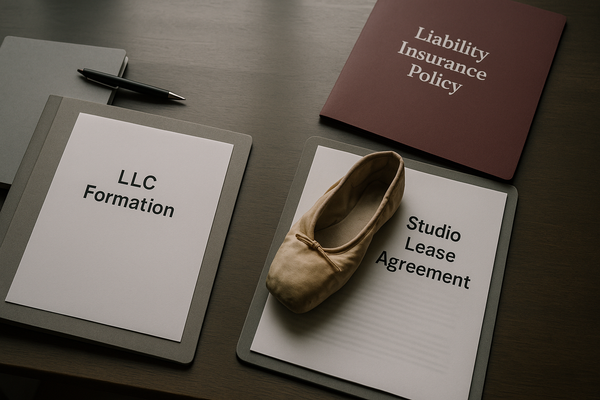
Most dance studio owners choose LLCs for liability protection and tax flexibility. Learn when sole proprietorship works and why injury risk drives the LLC decision.

Studio Business
Competition-track private lessons generate $500-$1,000+ per solo through choreography, coaching, and cleanings. How studios structure pricing, staffing, and expectations.
Career
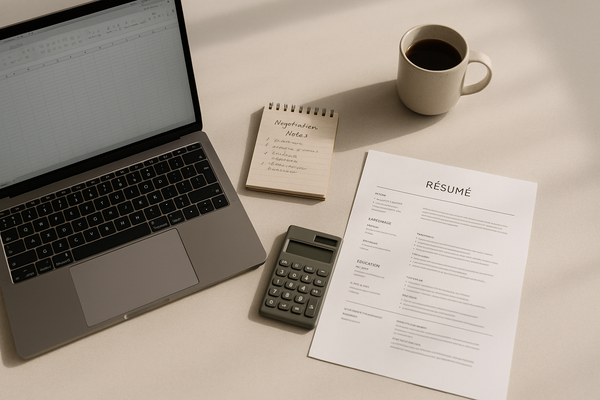
Market rates range from $22 to $85 per hour. Learn how to inventory your value, choose the right pay structure, and open compensation conversations with confidence.

Financial health, instructor stability, lease terms, insurance gaps, and red flags buyers must verify before acquiring a dance studio—with SBA lending requirements and valuation multiples.

Studio Business
Flowers deliver 30-50% margins, merchandise bundles boost ticket value, and concessions hit 70-90% profits—here's how to organize all three with pre-orders and software.

Studio Business
Structured onboarding cuts instructor turnover by 30-40%. This 30-60-90 day framework covers orientation, mentorship, parent communication, and integration.

Studio Business
Median dance studio sale prices hit $160,000 in 2024, up 49% from five-year averages, as private equity and franchise buyers compete for recurring-revenue businesses.