
Studio Business
Seasonal Scheduling for Dance Studios: Recital & Competition
Growing studios must juggle regular classes, recital prep, and competition teams. Here's how to adjust your calendar without burning out staff or losing students.
Studio Business
Growing studios must juggle regular classes, recital prep, and competition teams. Here's how to adjust your calendar without burning out staff or losing students.

Studio Business
Dance studios face 25% annual turnover and replacement costs of 50-200% of salary. In-house training programs offer retention advantages over fragmented certifications.
Studio Business
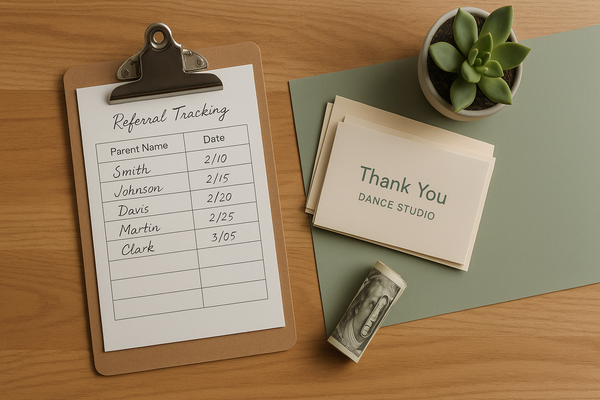
Formalized referral programs deliver sub-$25 acquisition costs and 40-55% conversion rates, yet most studios fail to track or optimize them. Here's how to fix that.

Studio Business
A month-by-month roadmap for studio owners planning an annual recital, from venue booking 12 months out through costume deadlines, music licensing, and show day logistics.

Instructor Education
CLRG certification determines competition eligibility for Irish dance students. U.S. studio owners must verify TCRG credentials, navigate regional structures, and meet compliance requirements.
Studio Business
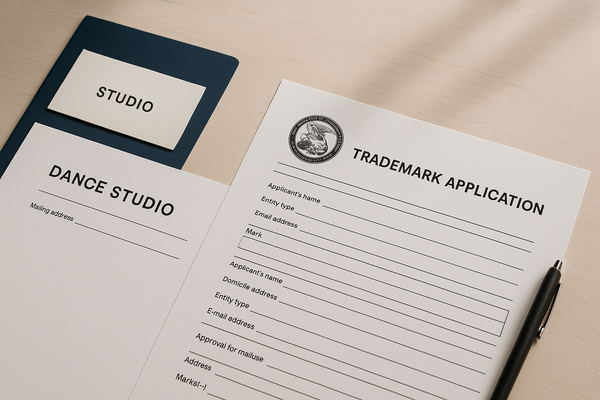
Federal trademark registration protects studio names and recital branding for $350 per class. Learn what you can protect, the USPTO process, and critical pre-launch searches.
Studio Business
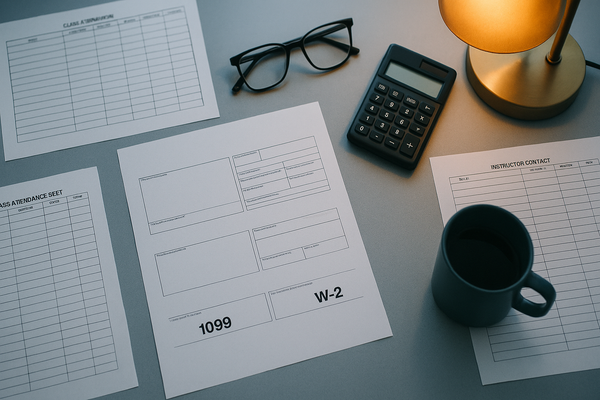
Dance instructors classified as 1099 contractors pay $4,600 more annually in taxes on $60K income than W-2 employees, while studios face $12M+ penalties for misclassification.
Dance Studio Journal covers the ideas, trends, teaching craft, and business moves shaping the future of dance studios.

Royal Academy of Dance and Cecchetti methods differ in progression speed, anatomical focus, and exam structure. RAD's 2026 policy now recognizes Cecchetti credentials.
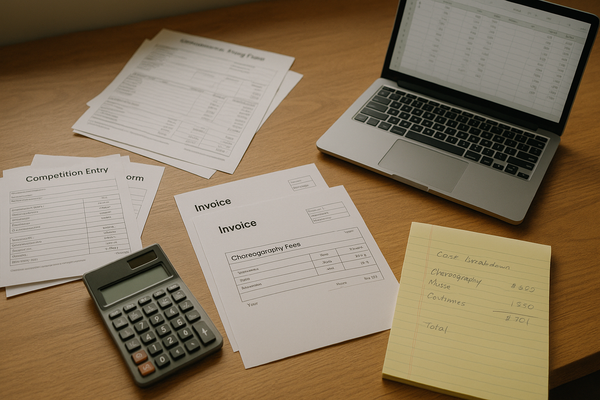
Independent choreographers charge $50–$500/hour in 2026, but studios pass fees to families through opaque pricing that hides mid-season costs.

How recital format drives retention and revenue: the business case for productions, showcases, and segmented events in 2026's evolving market.

Arthur Murray instructor training lasts 6-12 months with no dance experience required. What the Medalist System teaches, sales culture concerns, and how it compares to DVIDA.

K-12 dance teachers face state-by-state reciprocity hurdles, while private studio credentials from DMA and NDEO transfer seamlessly with no legal framework.
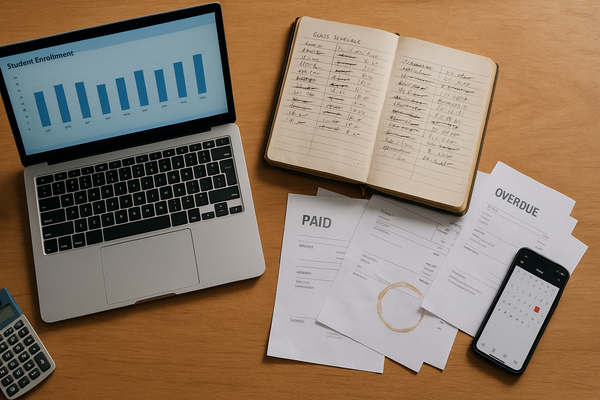
Free dance studio software caps students, limits billing, and costs more in owner time than paid options. Here's when to switch and what platforms actually cost in 2026.

Dance studios face unique financial challenges from seasonal revenue swings to complex payment plans. Learn the bookkeeping systems every owner needs.
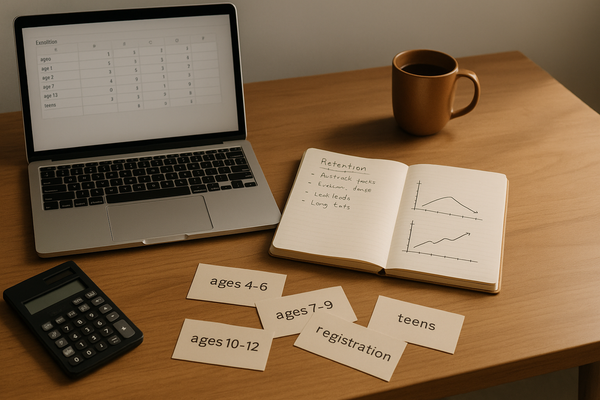
Average dance students deliver $4,800 in lifetime value, but retention costs 9x less than acquisition. Here's how to calculate SLV by segment and protect profitability.
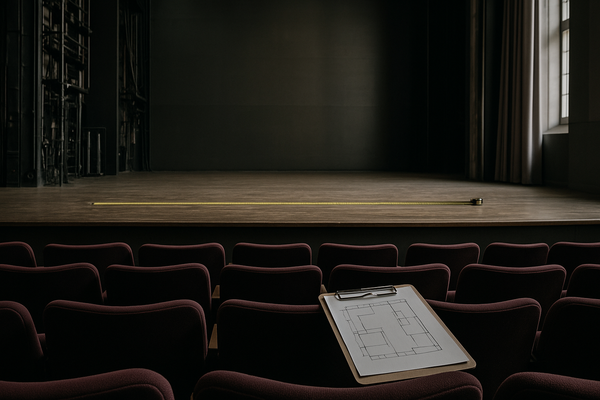
Stage dimensions, dressing room workflow, ADA compliance, and insurance requirements now matter more than seat count when selecting a recital venue.

Costume fees create cash flow friction for studios and families. Clear policies on damage, late returns, insurance, and written acknowledgment prevent disputes.

Dance studios face 25% turnover and replacement costs up to 200% of salary. Generic job descriptions fail. Here's how to write postings that retain talent.

The first 90 days determine whether a studio operates by design or survives by luck. Here's the phase-by-phase framework that turns launch chaos into sustainable growth.