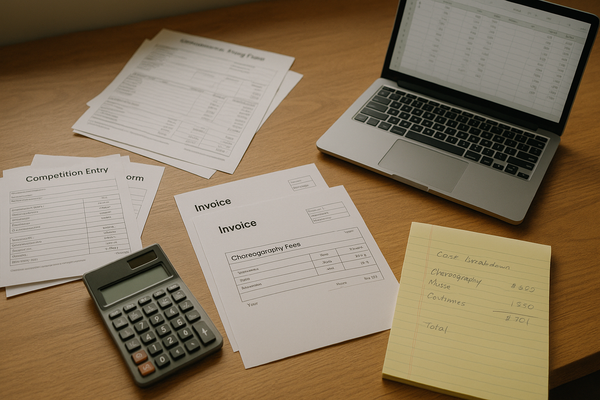
How to Pay Dance Teachers in 2026: Compensation Guide
National rates range from $47K-$86K annually, but 25% turnover persists. Studio owners need frameworks beyond salary to retain instructors.
Key Takeaways
- National averages in 2026: Dance teacher salaries range from $47,070 to $52,631 annually, with per-class rates clustering around $30-$40 for experienced instructors and private lessons reaching $60-$120 per hour in competitive markets.
- Regional and style variation is dramatic: California instructors average $72,528 while New York City reaches $86,000, and contemporary/acro teachers earn 49% more than hip-hop instructors nationally.
- Retention crisis persists despite pay increases: Studios face 25% annual teacher turnover even as hourly rates have climbed to $30, indicating that salary alone does not solve retention challenges.
- Legal framework matters: Compensation agreements must explicitly define what counts as paid work—preparation, choreography, rehearsals, recitals, and meetings—to ensure wage-and-hour compliance.
- Three viable compensation models: Studios can maintain full schedules with higher per-class rates, invest in certifications that justify premium student pricing, or develop ownership equity pathways for senior teachers.
What Dance Teachers Actually Earn in 2026
The question "how much should I pay my dance teachers?" has no single answer, but recent data provides clear guardrails. National salary baselines for dance instructors in 2026 range from $47,070 to $52,631 annually depending on data source, with most instructors earning between $40,537 and $53,822. Hourly benchmarks tell a more nuanced story.
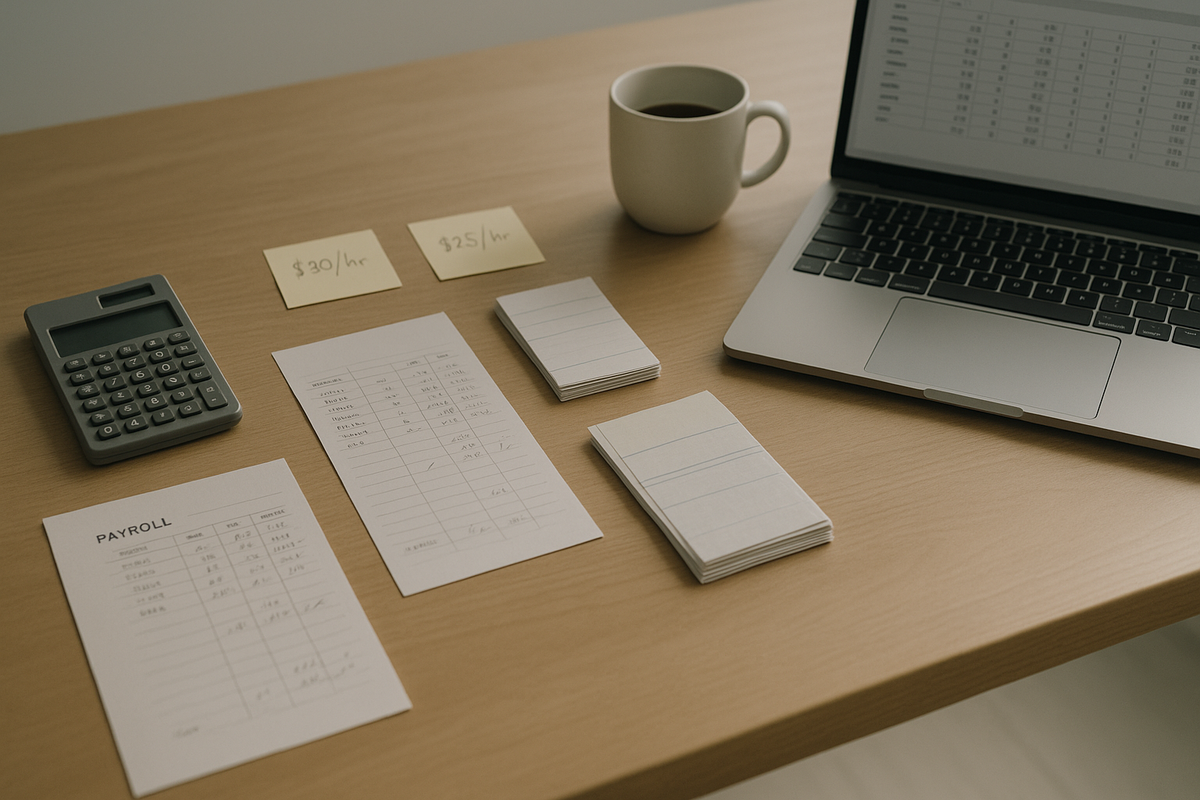
The average hourly pay for a dance teacher is $26.50 in 2026, but market research from Ensemble Schools indicates that teacher pay has climbed to around $30 per hour industry-wide as of April 2026. Per-class compensation typically ranges from $20-$40 for group sessions, while private lessons reach $60-$120 per hour in competitive markets. In an August 2026 r/DanceTeachers discussion, U.S. teachers reported regular teaching rates from the low $20s to $85 per hour, with many experienced teachers in the $32-$55 range.
Experience and Specialization Drive Wide Variation
An early career dance teacher with 1-4 years of experience earns an average total compensation of $21.82, while a senior level dance teacher with 8+ years of experience earns an average salary of $55,759. Dance style specialization affects pay substantially: contemporary and acro instructors average $72,956 nationally, while ballet masters can earn 49% more than hip-hop instructors, who average $45,679.
Regional Markets Demand Different Strategies
Regional variation creates dramatically different competitive landscapes. California leads at $72,528 average annual salary, while instructors in New York City average $86,000, compared to significantly lower earnings in states like North Carolina, Arkansas, and Mississippi. Metropolitan studios must acknowledge that $50,000-$60,000 annual compensation has become baseline for full-time positions.
Studios in lower-cost regions face a different calculus. Rather than attempting to match coastal hourly rates, these operators may compete by offering schedule stability and benefits. The retention through benefits model documented in boutique fitness shows that health stipends and continuing education support can reduce turnover by 30-40 percent, offering an alternative to pure wage competition.
The Retention Paradox: Why Salary Alone Fails
Despite rising pay over the past two years, dance studios face 25% annual teacher turnover. This persistence of high turnover as wages climb reveals a critical gap: compensation strategy must extend beyond hourly rates. Cross-industry research demonstrates that salary doesn't solve turnover when instructors experience burnout within 1-2 years despite competitive pay.
The solution requires retention systems, not just salary increases. Structured onboarding, transparent compensation frameworks, and professional development pathways address the underlying causes of departure. Studios that define clear advancement opportunities and formalize mentorship relationships retain senior teachers who might otherwise leave for marginal pay differences elsewhere.
Defining What You're Actually Paying For
One studio director in the August 2026 Reddit discussion noted a critical caveat: "The range is wide because an hour may mean a 60-minute class, a shorter class, or a class plus preparation, notes, meetings, rehearsals, and recital work." This ambiguity creates legal and operational risk.
There is no honest national rate that works for every studio, but there is a reliable way to reach a fair number: check the legal floor, compare your local market, define every duty included in the rate, price the teacher's experience and specialty, and confirm that the class can support the total employment cost. The compensation agreement should explicitly address preparation, choreography, rehearsals, meetings, recitals, competitions, travel, and other required work.
Studios must also navigate employment classification carefully. Many use contractor relationships, which requires compliance with IRS standards. For W-2 employees, payroll compliance frameworks may require payment for all compensable time regardless of how the studio labels the class rate.
Three Compensation Models That Balance Margins and Retention
Studio owners face tightening margins as costs rise. Teacher pay has climbed to around $30 per hour, administrative staff to about $19, and most owners are finally drawing a livable salary. Higher payrolls and limited margins mean every missed class and every unfilled slot carries more weight. Total instructor wages stay near $307,500 annually in modeled studios to maintain profitability.
Within these constraints, three strategic models emerge:
Model 1: Premium Rates with Full Schedules
Maintain full instructor schedules with higher per-class rates ($35-$50 for group classes). This requires strong enrollment management and class-fill discipline. Studios adopting this model should expect to offer 20-25 contact hours per week to full-time instructors, generating $28,000-$50,000 annually depending on market and experience level. The trade-off: instructors carry heavier teaching loads, which can accelerate burnout if not managed with adequate preparation time and seasonal breaks.
Model 2: Certification Investment and Premium Pricing
Invest in instructor certifications that justify premium pricing to students. Studios that support advanced training in specialized styles (acro, contemporary partnering, pre-professional technique) can charge 15-30 percent higher tuition, which funds corresponding wage increases. This model works best in competitive markets where parents recognize credential value and where the studio can articulate the specialized training students receive.
Model 3: Ownership Equity Pathways
Develop pathways to ownership equity that retain senior teachers. Profit-sharing arrangements, studio equity stakes, or formalized succession plans address the career ceiling that drives experienced instructors to open competing studios. One studio director reported paying instructors $50 per hour and $70 for private lessons, but acknowledged that long-term retention required offering advancement beyond wage increases.
Calculating Sustainable Class Rates
Before committing to any compensation structure, studio owners must calculate whether individual classes can support their total employment cost. A simplified formula:
Class Revenue Threshold = (Instructor Pay + Payroll Taxes + Benefits) / Target Labor Percentage
If you pay an instructor $40 per class, add 15 percent for payroll taxes ($6), and target a 40 percent labor cost ratio (common in boutique fitness), that class must generate $115 in revenue to remain sustainable. For a 12-student class, that requires $9.58 per student per class. If your pricing structure cannot support that threshold, you must either reduce instructor pay, increase class size, raise tuition, or reduce benefits.
Studios that ignore this calculation find themselves in a cycle of unprofitable classes that drain resources from sustainable programming.
What This Means for Studio Operators
Editorial analysis, not reported fact:
The 2026 compensation landscape requires studio owners to move beyond "what's the going rate?" and build frameworks tailored to their specific market, enrollment model, and profitability targets. The persistence of 25 percent annual turnover despite rising wages signals that instructors leave for reasons compensation alone cannot address: lack of professional development, unclear advancement pathways, and undefined job expectations that lead to unpaid labor.
Operators in high-cost metropolitan markets cannot avoid the $50,000-$60,000 baseline for full-time positions, but they can differentiate through benefits, schedule predictability, and career development that larger competition schools may not offer. Studios in lower-cost regions should resist the temptation to match coastal rates and instead compete on stability, culture, and transparent compensation structures that define exactly what work is compensated and what professional development the studio will fund.
The three compensation models outlined above are not mutually exclusive. A studio might offer ownership equity pathways to 10-year veterans, certification support to mid-career teachers, and competitive per-class rates to newer instructors. What matters is that the framework is explicit, defensible against local market data, and sustainable given your actual class revenue and enrollment patterns. Studios that treat compensation as a strategic retention tool rather than a pure cost line will navigate the current wage pressure environment with lower turnover and stronger instructor commitment.
Sources & Further Reading
- 2026 salary data, covering regional variation, style pay gaps, and retention strategies for dance studios
- Dance Teacher Pay Rates: Reddit Market Data & Legal Framework, August 2026 compensation discussion and duty definitions
- The State of the Dance Studio Industry in the 2025-26 Season, industry staffing and profitability analysis from April 2026
- Pilates Studio Payroll Guide: W-2 vs 1099 Compliance, wage-and-hour compliance for per-class instructor pay
- PayScale Dance Teacher Salary Data, hourly pay and experience-based compensation benchmarks
- Glassdoor Dance Teacher Salaries, salary ranges and industry breakdowns for 2026
Editorial coverage of publicly reported industry developments. Dance Studio Journal has no commercial relationship with any companies named.