Strip Mall vs. Standalone vs. Mixed-Use Studio Locations
Three location models deliver distinct trade-offs in foot traffic, rent structure, and break-even timelines. Match your choice to enrollment model and growth runway.
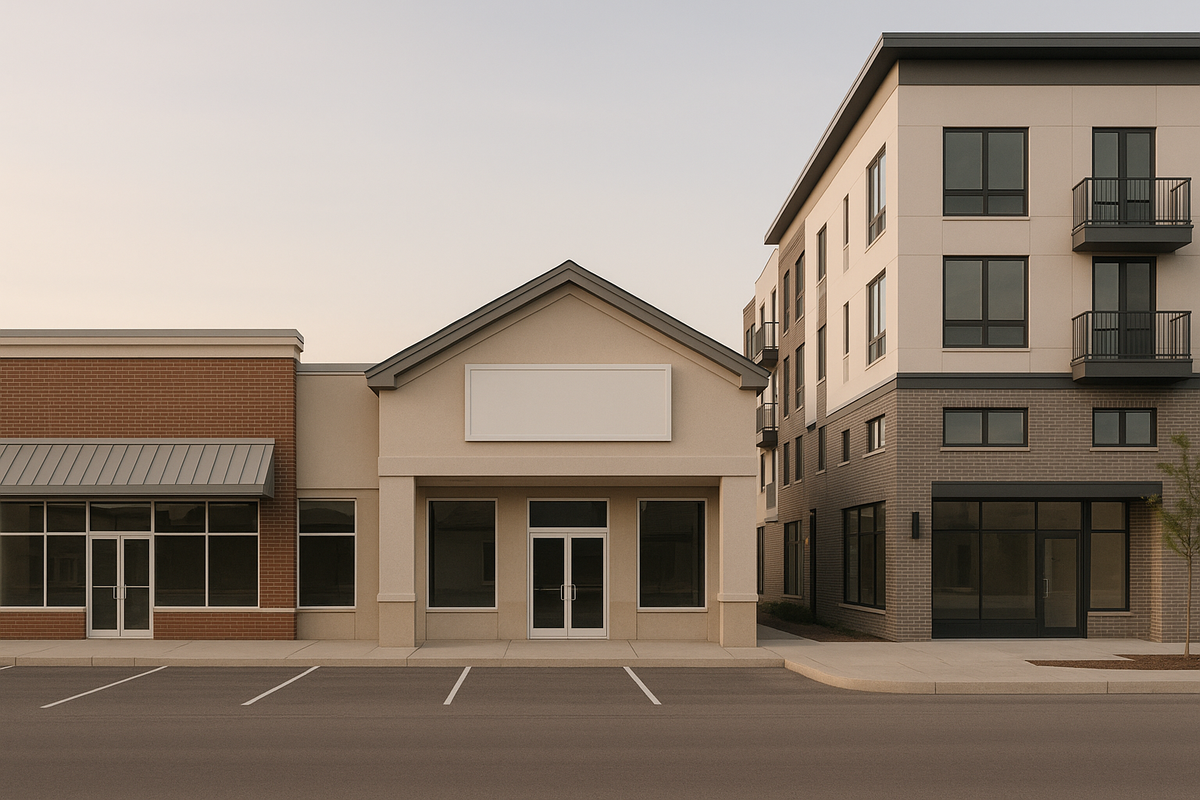
Key Takeaways
- Strip malls deliver bundled foot traffic from complementary businesses and lower build-out costs, but limit brand control and impose standardized lease terms that favor landlords.
- Standalone locations offer autonomy and local prestige but demand higher rent (often 30-50% of operating expenses in urban centers), carry tenant improvement burdens, and isolate studios from complementary businesses.
- Mixed-use developments generate layered foot traffic from residential, office, and hospitality tenants while offering tenant improvement allowances of $40-$80 per square foot, though they require complex negotiations and restrict programming flexibility.
- Rent-to-revenue ratios determine survival: studios that lock into high-rent leases before proving enrollment demand face break-even crises, particularly when classes run half-full during launch phases.
- Parent search behavior favors local digital discoverability over physical visibility alone, but trial-class logistics including parking access and safety remain critical drivers of conversion.
The Strip Mall Advantage: Shared Traffic, Lower Risk
Strip malls create bundled foot traffic by surrounding studios with gyms, restaurants, medical offices, and boutiques that draw the same demographics. Parents dropping children at dance class can run errands at adjacent businesses, reducing friction in weekly routines. This adjacency logic drives enrollment conversions more reliably than isolated storefronts.
Build-out costs run lower because developers often provide tenant improvement allowances and shell spaces designed for service tenants. Total startup costs typically range from $10,000 to $50,000, with strip mall spaces falling toward the lower end when TI allowances cover flooring, mirrors, and HVAC upgrades. Shared parking reduces the per-tenant infrastructure burden, though peak-hour competition for spots can create parent frustration if the center lacks adequate capacity.
The trade-off lies in brand dilution and landlord control. Strip center leases rarely permit exterior signage beyond standard monument panels, and lease terms favor property managers who prioritize anchor tenants over specialized studios. Studios operating in strip malls may struggle to differentiate from adjacent competitors or build the prestige necessary to justify premium pricing.
Standalone Locations: Autonomy at a Premium
Street-front or downtown standalone spaces deliver full operational control, enabling custom exterior design, flexible class schedules without shared-space restrictions, and the neighborhood visibility that builds local prestige. Studios targeting competitive teams or adult contemporary programs often choose standalone locations to signal seriousness and artistic independence.
However, rent can account for 30-50% of total operating expenses in urban centers, leaving minimal margin for enrollment shortfalls. Tenant improvement costs fall entirely on the studio operator, and street-front leases typically lack the $40-$80 per square foot TI allowances common in developer-backed mixed-use projects. Parking logistics compound the challenge: urban standalone locations rarely provide dedicated lots, forcing parents to navigate street parking or pay garages during evening rush hours.
Isolation from complementary businesses also eliminates the cross-pollination effect. A standalone studio on a quiet residential block may achieve brand differentiation but sacrifices the impulse trial-class enrollments driven by parents already shopping nearby. Urban versus suburban economics reveal that higher urban rent must be offset by higher per-student revenue or larger class sizes to sustain profitability.
Mixed-Use Developments: Developer Capital Meets Complexity
Mixed-use developments generate high levels of foot traffic by combining residential, commercial, and office spaces in one location. Office workers provide daytime trial-class inquiries for adult programs, while residential tenants deliver evening and weekend enrollment for youth programs. Entertainment and hospitality venues in the same complex create recurring parent touchpoints during recital seasons.
Smaller-scale sports facilities like fitness centers, dance studios, and pickleball courts are being incorporated as anchors into existing developments, giving studios negotiating leverage for build-out support. Developers seeking to activate ground-floor retail increasingly offer tenant improvement allowances of $40-$80 per square foot and stagger rent commencement until studios achieve certificate of occupancy.
The complexity trade-off is significant. Managing mixed-use properties requires complex thinking that goes beyond usual methods, including coordinated parking rules, shared amenity schedules, and noise ordinances that restrict evening programming. Studios may be required to serve as anchor tenants, committing to multi-year leases and minimum square footage that exceed their launch-phase needs. Partnership with real estate developers has resulted in opulent new facilities for select organizations, but these arrangements demand legal review of revenue-sharing clauses and exclusivity restrictions.
Parking and Accessibility: The Hidden Enrollment Killer
A shopping plaza that is family-friendly with plenty of foot traffic may sound great, but is there adequate parking for all of that foot traffic? Shared parking in strip centers can create bottlenecks during after-school hours when dance classes overlap with dinner-rush traffic at adjacent restaurants. Parents prioritize safe, convenient drop-off zones over brand prestige when choosing between studios.
Proximity to public transport matters less for youth studios than for adult-focused programs, but both models require clear sight lines from parking to entrance for safety perception. Rise Dance Center of Virginia is conveniently located just off Route 28 in Dulles, illustrating a hybrid approach that captures proximity to Dulles Town Center Mall and Dulles 28 Centre without being inside either, allowing parents to visit Target or Wegmans during class time while maintaining dedicated studio parking.
Enrollment Model Determines Location Fit
Competition-focused studios emphasize brand independence and rehearsal schedule flexibility, pulling them toward standalone locations despite higher rent. Recreational programs serving young children prioritize parent convenience and impulse enrollment, favoring strip malls near elementary schools and grocery anchors. Adult contemporary or ballroom studios targeting urban professionals benefit from mixed-use developments with daytime office populations and evening residential traffic.
Parents looking for kids' activities search "dance classes near me" on Google, shifting weight from physical visibility to digital discoverability. However, lease negotiation essentials remain critical: trial-class conversion depends on parking stress, lobby presentation, and the reassurance parents feel during first visits. A studio buried in a mixed-use garage entrance with poor signage will underperform a strip-mall studio with clear sightlines, regardless of digital ad spend.
Financial Benchmarks: Rent-to-Revenue Ratios That Work
The economics are unforgiving if too many classes run half-full, if the studio signs a rent-heavy lease before enrollment is proven, or if the founder confuses recital-season cash with true profit. Operators should target rent-to-revenue ratio benchmarks that keep occupancy costs below 20% of gross revenue during steady-state operations.
Strip malls typically offer lower per-square-foot rates but impose common area maintenance (CAM) charges and percentage-rent clauses that escalate costs as enrollment grows. Standalone leases in urban cores may quote $50-$70 per square foot before utilities and insurance, requiring studios to prove enrollment demand within the first lease year or face unsustainable burn rates. Mixed-use developments offering total occupancy cost breakdown transparency reveal that triple-net pass-throughs and deferred rent commencement can reduce first-year cash pressure, but only if the studio negotiates caps on annual escalations.
Questions to Ask Brokers and Developers
Before signing any lease, operators should confirm parking ratios (spaces per 1,000 square feet), TI allowance details (per-square-foot cap and eligible expenses), rent commencement timing (upon lease execution or certificate of occupancy), CAM charge predictability (historical increases and audit rights), and exclusivity clauses that prevent competing studios from leasing nearby.
For mixed-use developments, ask whether the studio will be treated as an anchor tenant with reduced rent, whether residential lease-up schedules will affect foot traffic assumptions, and whether shared amenity rules (fitness centers, event spaces) restrict your programming calendar. For strip malls, verify that adjacent tenant mix aligns with your target demographic and that parking enforcement during peak hours will not alienate parents.
What This Means for Studio Operators
Editorial analysis, not reported fact:
The location decision must match your enrollment model and growth timeline. If you are launching a recreational youth studio with unproven demand, strip malls offer the lowest downside risk through lower build-out costs, shared parking, and adjacency to complementary businesses that drive trial-class inquiries. If you are expanding a proven competitive program with brand equity, standalone locations justify higher rent through autonomy and prestige. If you have access to growth capital and location strategy support from investors or franchisors, mixed-use developments provide developer-backed build-outs and layered foot traffic that accelerate break-even timelines.
The cardinal mistake is locking into high-rent leases before proving enrollment demand. A studio paying $6,000 monthly rent must enroll 120 students at $50 per month just to cover occupancy costs before payroll, insurance, or marketing. Run conservative enrollment projections across best-case, base-case, and worst-case scenarios, and ensure your lease includes rent abatement during build-out, graduated rent increases tied to enrollment milestones, or early termination clauses if the location underperforms. Expansion and location positioning trends show that successful multi-location operators prioritize lease flexibility over prestige, recognizing that a survivable lease in a B-minus location outperforms a flagship lease that drains cash reserves before word-of-mouth enrollment builds momentum.
Sources & Further Reading
- Dance Teacher: Making Space, creative partnerships between dance organizations and real estate developers
- Forbes: Sports Facilities as Mixed-Use Anchors, how fitness and studio tenants drive development success
- Forbes: Future-Ready Real Estate, the power of mixed-use developments in commercial strategy
- The Studio Director: Picking the Perfect Location, comprehensive location selection checklist for dance studios
- Startup Financial Projection: Dance Studio Overview, financial benchmarks and operating expense breakdowns
- Dance Marketing: Studio Marketing Trends, parent search behavior and digital discoverability
- The Pilates Business: Lease Negotiation Essentials, TI allowances, CAM charges, and lease term strategies
- Vibe Fam: Location Selection Framework, income demographics, anchor tenants, and rent benchmarks by market tier
Editorial coverage of publicly reported industry developments. Dance Studio Journal has no commercial relationship with any companies named.