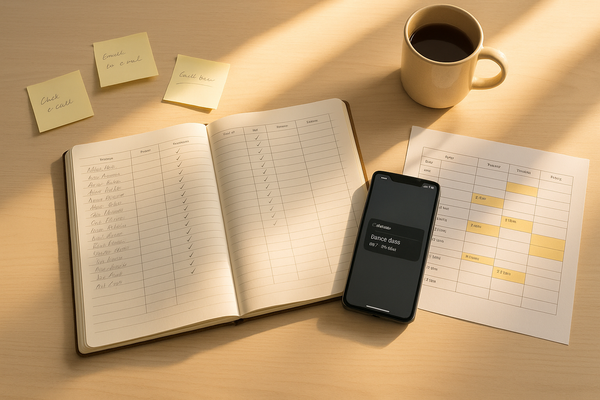
Opening & Closing Checklists for Dance Studio Operations
Daily opening and closing procedures are the operational backbone of studio safety and compliance. Learn how digital systems replace paper checklists with audit trails.

Key Takeaways
- Opening and closing checklists are the operational backbone of dance studio safety and compliance, covering facility inspections, equipment checks, hygiene protocols, and emergency access verification that protect both students and liability exposure.
- Digital tracking systems now replace paper-based procedures at forward-thinking studios, offering time-stamped audit trails, staff accountability metrics, and 35% reductions in administrative overhead compared to manual processes.
- Liability gaps emerge when studios rely on institutional knowledge rather than documented procedures—documented safety protocols including floor hazard checks and equipment inspections directly impact insurance premiums and claims outcomes.
- Morning procedures focus on facility safety verification before students arrive, while evening protocols emphasize security, equipment shutdown, and condition handoff to the next shift to maintain operational continuity.
- Franchise studios benefit from standardized operational playbooks, but independent operators can adopt similar franchise operational standards by implementing templated checklists customized to their specific facility needs.
- Emergency preparedness must be woven into daily opening routines, with quarterly fire drills, first-aid kit verification, and clear exit route confirmation documented on every shift handoff.
Why Daily Procedures Matter in a $4.4 Billion Industry
The U.S. dance studio industry generates approximately $4.4 billion in revenues as of 2024, and as competition for student enrollment intensifies across thousands of independent and franchise locations, the gap between ad-hoc daily procedures and documented systems directly affects safety compliance, staff accountability, and operational efficiency. Dance studio managers must create and implement policies and procedures that ensure the studio runs smoothly and efficiently, yet many smaller studios still depend on verbal handoffs and individual memory rather than written protocols.
The business case is straightforward: creating an opening and closing procedure checklist makes the daily process of running a dance studio more efficient, with templates available to customize for specific studio needs. These checklists serve multiple functions simultaneously—they protect liability exposure, standardize quality across shifts, train new staff faster, and create audit trails that satisfy insurance carriers and health inspectors.
What Belongs on a Morning Opening Checklist
Opening staff carry responsibility for verifying that the facility is safe and operational before students and parents arrive. Staff must know their responsibility when it comes to facility rules and procedures, and morning protocols should document completion of each critical task rather than assume compliance.
Essential morning checklist categories include facility safety verification—pre-class facility checks include plug socket safety, unbroken mirrors, clean floors free of hazards, secure doors and exits, and working lighting. Equipment functionality checks ensure that sound systems, barres, mirrors, and any specialized apparatus are secure and operational. Emergency access verification confirms that fire exits are unobstructed, first-aid kits are stocked, and emergency contact information is current and accessible at the front desk.
Temperature and ventilation settings matter more than many operators realize—studios that open too cold or with stale air from overnight closure create poor first impressions and increase injury risk during warm-up exercises. Opening staff should also verify that the previous evening's closing procedures were completed, creating a continuous accountability loop between shifts.
Evening Closing Protocols That Secure Your Investment
Closing procedures protect both physical assets and liability posture overnight. A real studio's documented closing checklist demonstrates the specificity required: picking up trash, retrieving lost items, turning off audio equipment and fans, ensuring studios remain presentable, returning borrowed furniture and equipment, securing doors and latches, turning off lights in stairwells and restrooms, and leaving the front office light on for security purposes.
Evening staff should conduct a systematic walk-through of each studio space, verifying that slip-and-fall hazards are eliminated by keeping the floor clean of food, debris, and tripping hazards. Equipment shutdown must be documented—not just for energy savings, but because studio owners should establish a routine inspection schedule with regular checks of dance floors, mirrors, barres, sound systems, and lighting fixtures to identify wear and tear, loose bolts, or malfunctioning equipment. Identifying a loose barre mount or flickering light during closing allows for repair before the next morning's classes rather than discovering the hazard when students are present.
Security protocols matter as much as safety checks. Closing staff must verify that all exterior doors are locked, alarm systems are armed where applicable, and any cash or valuables are secured according to studio policy. Documentation of these steps protects both the business and the individual staff member in case of overnight incidents.
The Safety and Liability Dimension
Opening and closing checklists are not administrative busywork—they are your first line of defense in liability claims and insurance audits. When clear and enforceable health policies include procedures for illness reporting, sanitization standards, and a response plan for outbreaks, documented daily compliance with these policies becomes evidence of due diligence.
Emergency preparedness must be integrated into daily routines rather than treated as a separate compliance exercise. Studios should develop a plan specific to their activities that covers all-studio emergencies and individual medical emergencies, with three basic elements: tasks to execute, people assigned to execute them, and a document outlining both in simple, concise format. Opening staff should verify that this emergency action plan is posted and that required supplies are in place, while students and staff should participate in quarterly fire drills documented on studio calendars.
From Paper Clipboards to Digital Accountability
The 2025-2026 shift toward digital management platforms has transformed how studios track daily procedures. While many smaller studios still rely on paper checklists and institutional knowledge, studio management software now enables integrated tracking with time stamps, photo documentation, and staff accountability metrics that paper systems cannot match.
Digital checklists address the core weakness of paper systems: verification. When a staff member signs a paper checklist, there is no independent confirmation that the task was actually completed versus routinely initialing every box. Modern platforms allow staff to photograph completed tasks—a photo-timestamped image of a clean studio floor, a locked back door, or a stocked first-aid kit provides audit-quality documentation that protects both the business and the employee.
Studios adopting automated operational systems report significant efficiency gains—some platforms track 35% reductions in administrative time and 50% decreases in operational oversights through systematic digital workflows. The same platforms that manage class scheduling and attendance tracking can integrate opening and closing protocols, creating a single system of record for all daily operations.
Franchise Standards vs. Independent Studio Adaptation
Franchise dance studios typically receive standardized operational playbooks that include detailed opening and closing procedures, creating consistency across locations and reducing the operational burden on individual operators. Independent studios lack this infrastructure but can achieve similar benefits by adapting best-practice templates to their specific needs.
The key difference is not the procedures themselves—every studio needs to verify floor safety, check equipment, and secure the building—but rather the documentation and accountability systems. Dance studio managers oversee keeping the studio space and equipment clean and tidy, ordering supplies, booking performance venues, handling marketing, and managing communication with staff, students, and parents, and clear checklists with assignment protocols hold shift leaders accountable for handoffs between opening and closing staff.
Independent operators should resist the temptation to create overly complex custom procedures. The most effective checklists balance comprehensiveness with practical completion time—a 45-minute opening procedure that staff routinely skip tasks to complete faster defeats the purpose. Better to implement a 15-minute essential checklist that gets completed consistently every shift.
Staff Training and Accountability Systems
Even the most comprehensive checklist fails without proper staff training and accountability measures. New employees should complete supervised opening and closing procedures multiple times before being trusted with solo responsibility, and experienced staff need periodic refresher training as procedures evolve.
Accountability works best when it is systematic rather than punitive. Rather than only reviewing checklists when something goes wrong, managers should conduct weekly spot-checks during normal operations, providing positive reinforcement for thorough completion and coaching opportunities when gaps appear. Digital systems make this easier by flagging incomplete checklists or tasks completed outside expected timeframes.
The relationship between staff compliance protocols and operational quality is direct—studios that invest in clear procedures and accountability systems see measurable improvements in safety outcomes, equipment longevity, and staff retention as employees appreciate working in well-managed environments.
What This Means for Studio Operators
Editorial analysis, not reported fact:
The studios that will thrive through 2026 and beyond are those that treat daily operational procedures as strategic assets rather than administrative chores. If you are still relying on verbal handoffs or paper checklists signed by habit rather than verified completion, you are accepting unnecessary liability exposure and operational inconsistency that will eventually manifest as injury claims, equipment failures, or staff turnover.
Start with a realistic assessment of your current procedures. Shadow your opening and closing staff for several shifts, documenting what actually happens versus what you assume is happening. The gaps will likely surprise you. Then build your documented procedures around your specific facility's needs—a studio with specialized aerial equipment needs different protocols than a traditional ballet school, and a multi-room facility requires more complex security procedures than a single-studio operation.
For studios ready to move beyond paper, the investment in operational complexity management through digital platforms pays for itself quickly through reduced administrative time, better audit trails for insurance purposes, and improved staff accountability. The platforms that integrate scheduling, attendance, billing, and operational checklists into unified systems eliminate the data fragmentation that creates gaps and errors.
Looking forward, AI-assisted checklist systems are beginning to replace static procedures with adaptive protocols that adjust based on seasonal needs, facility usage patterns, and predictive maintenance schedules. These systems can flag anomalies—an equipment check completed in 30 seconds when it typically takes 5 minutes suggests the task was skipped—and prompt corrective action before problems escalate. The studios that adopt these tools early will have operational advantages that traditional competitors cannot match through manual processes.
Sources & Further Reading
- Dance Studio Owner: Facility Management & Safety, comprehensive guide to facility procedures and staff responsibilities
- Jackrabbit Dance: Safety Management Strategy for Dance Studios, covers pre-class facility checks and hazard prevention
- FasterCapital: Dance Studio Safety Compliance Checklist, detailed coverage of emergency protocols and equipment inspection schedules
- Class Manager: Dance Studio Manager Roles and Responsibilities, outlines operational oversight and staff accountability systems
- Luv2Dance: Studio Closing Checklist Example, real-world closing procedure template from an operating studio
- Dance Studio Pro: Dance Studio Management Best Practices, discusses efficiency benefits of documented procedures
- Financial Content: Dance Studio Industry Growth 2026, current industry revenue and market context
Editorial coverage of publicly reported industry developments. Dance Studio Journal has no commercial relationship with any companies named.