Best Hiring Practices for Dance Studio Owners in 2026
Competitive pay now ranges $30–$40 per class, but retention depends on onboarding, professional development, and cultural fit. What studio owners need to know.
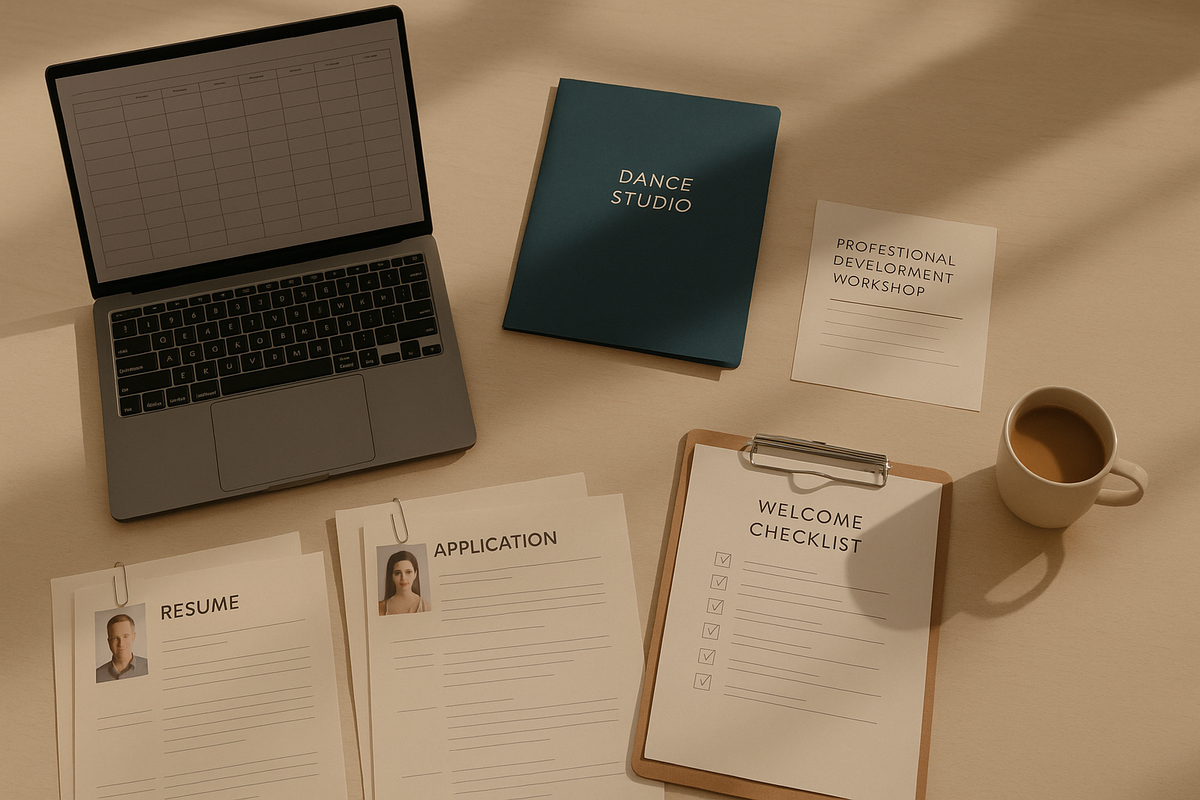
Key Takeaways
- Compensation benchmarks in 2026: Competitive per-class rates now cluster around $30–$40 for experienced group instructors, with studios paying below $25 per class risking significant turnover. Replacement costs reach 50–200% of annual salary when accounting for recruitment and training.
- Hiring criteria have expanded beyond technique: Studio owners now prioritize reliability, communication skills, professionalism, adaptability, and cultural alignment alongside dance expertise, with trial classes serving as the most reliable evaluation tool.
- Onboarding drives retention: Structured onboarding that includes employee handbooks, clear role expectations, lesson-plan support, and training manuals significantly influences instructor satisfaction and reduces costly turnover in the first 90 days.
- Professional development attracts quality candidates: Continuing education reimbursements, conference opportunities, and advancement pathways differentiate competitive studios, with research showing that studios investing in instructor learning retain staff longer and charge higher tuition.
- Instructor consistency protects enrollment: When students have the same teacher season after season, the resulting trust and continuity drive retention; families invested in a particular instructor will sometimes follow them out the door if that teacher leaves.
The Staffing Reality Facing Dance Studios in 2026
The 2025-26 season shows enrollment up nearly 10% year-over-year, yet staffing remains a persistent pain point for studio owners. There are currently 82,157 people employed in US dance studios, with the average studio employing 5.6 people, while 71,355 active dance teacher job openings remain unfilled nationwide. This gap reflects not just quantity but a shift in what owners need from their teaching staff.
Hiring dance teachers has changed fundamentally. A polished resume and strong performance reel still matter, but today's studio owners seek reliability, communication skills, professionalism, adaptability, and alignment with studio culture. More than half of dance studios (52%) operate without dedicated front desk staff, meaning instructors often juggle teaching with administrative tasks. The teachers who thrive are those who can manage both dimensions professionally.
What Competitive Compensation Looks Like in 2026
As of July 2026, the average annual pay for a dance teacher in the United States is $52,631, or approximately $25.30 per hour. Regional variation is dramatic: California leads at $72,528 average annual salary, while instructors in New York City average $86,000. Specialty matters too; contemporary and acro instructors average $72,956 nationally, while ballet masters can earn 49% more than hip-hop instructors.
Competitive per-class rates now cluster around $30–$40 for experienced group instructors, with private lesson pricing reaching $80–$120 in metropolitan markets. Studios paying below $25 per class risk losing qualified teachers to competitors or alternative employment. The economics are stark: instructor turnover costs can reach 50–200% of annual salary when factoring in recruitment, training, and lost institutional knowledge. Since 2020, dance studio owners have increased their staff salaries by an average of 4% in response to retention challenges.
Hiring for Character and Teaching Ability, Not Just Technique
Technical mastery does not guarantee teaching excellence. A technically strong teacher who cannot connect with students or communicate with families can quickly become a challenge for your business. Studio owners now emphasize soft skills during the hiring process, looking for instructors who are responsible, customer-service-oriented, and friendly individuals who represent the studio well.
By preparing for the interview, employers can ask targeted questions to assess how candidates approach lesson planning, student engagement, and classroom management. The strongest signal remains a trial class. Having all final candidates teach a trial class reveals not just technical competence but how they build rapport, manage energy, and adapt to unexpected student needs. Studios that understand communication skills as foundational hire teachers who can navigate difficult conversations with parents, support struggling students, and contribute positively to studio culture.
Streamlining the Recruitment and Interview Process
When posting a teaching position, include more than class styles and availability; teachers want to know your studio culture, pay structure, expectations, growth opportunities, and teaching philosophy. The strongest candidates are interviewing studios just as much as studios are interviewing them. If the recruiting and hiring process seems clunky or you make a potential new hire jump through a lot of hoops, it won't paint the best picture of their experience.
Many studio owners still rely heavily on word-of-mouth referrals, but posting on targeted job boards, Facebook groups, and local business networks widens the candidate pool. For studios working with minors, all adults will need to undergo background checks, and some states require mandated reporter training. Background check costs start around $25 per person, while CPR and First Aid certification typically starts around $35 per person and must be renewed every two years.
Onboarding as the Foundation for Retention
Onboarding is the process of integrating a new employee into your team, ensuring they understand their role, responsibilities, and the culture of your studio. It is far more than a simple orientation and can significantly influence staff retention, satisfaction, and performance. Provide an employee handbook and orientation session to get all employees up to speed with your studio's best practices and day-to-day operations.
Effective onboarding includes clear outlines of each position's daily, weekly, and monthly responsibilities, a recruitment process with a trial period for new teachers, and a training manual that supports lesson planning from day one. Studios that implement structured onboarding systems reduce early turnover and build confidence quickly. Studios that build real onboarding, lesson-plan support, and ongoing development keep their teachers longer, and lower turnover protects the relationships that drive retention.
Retention Strategies Beyond Salary
Treat your staff like professionals: clear roles, fair and transparent pay, written expectations, and respect for their time. A teacher who feels supported and equipped is far more likely to stay for years, and stability in your staff becomes stability in your enrollment. Studios that invest in learning, leadership, and professional connection continue to outperform peers, charging higher tuition, retaining staff longer, and managing change more confidently.
Consider offering continuing education reimbursements, conference attendance opportunities, or additional responsibilities for instructors seeking growth. These recognition programs improve retention rates while attracting higher-quality candidates. Simple gestures like "Teacher of the Month" awards, performance bonuses, or access to leadership development programs show appreciation for exceptional work. Unless you are teaching in a school setting, dance instructors typically aren't employed full time and thus don't get benefits like health insurance and retirement, making these forms of recognition even more meaningful.
Why Instructor Consistency Protects Your Enrollment
Instructor consistency is a retention strategy. When a student has the same instructor season after season, something real develops: familiarity, trust, and the kind of safety that lets a student struggle openly without fear. This is exactly when real learning happens, and high turnover breaks that continuity. Families who have invested emotionally in a particular teacher will sometimes follow them out the door.
Hiring carefully, compensating fairly, and building a culture your instructors want to be part of is one of the most important investments you can make, for your students and for your studio. The connection between instructor retention strategies and student outcomes is direct and measurable. Studios that prioritize long-term instructor relationships see stronger enrollment retention and fewer mid-season disruptions.
What This Means for Studio Operators
Editorial analysis, not reported fact:
The 2025-26 season presents a paradox: enrollment is strong, but staffing challenges persist. Owners who approach hiring as a strategic investment rather than a transactional task position themselves to capitalize on growing demand. This means rethinking job postings to reflect culture and growth opportunities, conducting structured interviews that assess both technical and interpersonal skills, and implementing onboarding systems that set new hires up for success from day one.
The studios that will thrive are those that recognize instructor retention as enrollment protection. Every dollar spent on competitive pay, professional development, and recognition programs returns multiples in reduced turnover costs and stronger student relationships. With competitive compensation rates now well-defined and turnover economics clear, the business case for investing in your teaching team has never been stronger. The question is not whether you can afford to invest in hiring and retention, but whether you can afford not to.
Sources & Further Reading
- Ensemble Schools: The State of the Dance Studio Industry in the 2025-26 Season, enrollment trends and staffing challenges
- ZipRecruiter: Dance Teacher Salary Data, 2026 compensation benchmarks
- Dance Studio Journal: What Dance Teachers Earn in 2026, regional and style-specific pay data
- Jackrabbit Dance: The Secret to Hiring Dance Teachers, recruitment best practices
- Dance Principals United: Dance Studio Staff Management, retention and culture-building strategies
- Dojo Practice: Operations Playbook 2026, instructor turnover economics and retention frameworks
Editorial coverage of publicly reported industry developments. Dance Studio Journal has no commercial relationship with any companies named.