Adaptive Dance Programs for Special Needs & Neurodivergent Students
How US dance studios are building inclusive programs for youth with special needs, neurodivergent students, and seniors, with teacher training pathways and neuroscience-backed outcomes.
Key Takeaways
- Adaptive dance programs are expanding nationwide, with studios offering classes for youth with special needs, neurodivergent students, and seniors aged 55+ as diversity and inclusion become core business strategy rather than niche programming.
- Neuroscience research validates therapeutic outcomes, showing dance improves focus, memory, and mood in ADHD and autistic populations by synchronizing disparate brain regions and strengthening motor skills even in students with developmental coordination disorder.
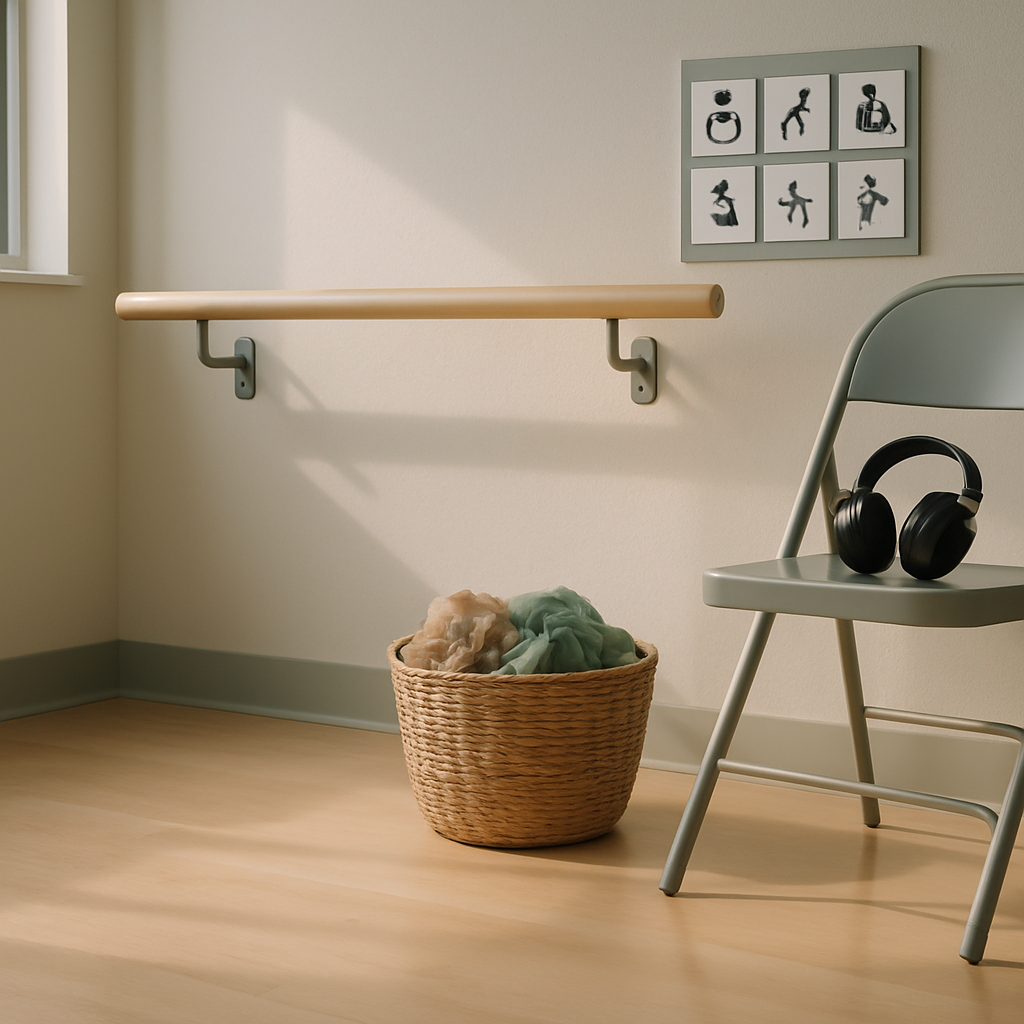
- Sensory-friendly studio modifications include allowing headphones for auditory sensitivities, lowering lighting, reducing mirror exposure, permitting comfortable clothing, and using photo schedules to clarify transitions for neurodivergent dancers.
- Teacher training and certification programs are scaling rapidly, with Boston Ballet's Adaptive Dance Teacher Training (established 2002) and DanceAbility certification (training 600+ educators since 1996) providing evidence-based instruction for working with students with Down syndrome, Autism Spectrum Disorders, and other disabilities.
- Seniors programs emphasize self-expression over performance, with Movement Speaks® and similar offerings for adults 55+ focusing on creative expression, adaptability, and personal choice to promote strength, balance, memory, and community connection.
- ADA compliance creates legal and ethical imperatives for US dance studios to provide reasonable accommodations and equal access, driving studios to evaluate physical accessibility, adaptive equipment, and inclusive teaching practices.
Why adaptive dance is becoming mainstream studio business strategy
Adaptive and inclusive dance programs for youth with special needs, neurodivergent students, and seniors are shifting from specialty offerings to core studio programming across the United States. Studios are increasingly positioning themselves as places where everyone feels welcome, offering classes tailored to different abilities, body types, and age groups. This momentum reflects both evolving community expectations and emerging neuroscience demonstrating that dance improves focus, memory, and mood in ADHD and autistic populations by engaging disparate neural regions in synchronized activity.
Programs like Perfect Pointe provide inclusive dance and music to individuals with disabilities, designing classes to apply functional movement to evidence-based practices that help students reach developmental goals while building self-confidence and friendships. What was once considered niche is now a strategic priority for studios seeking to serve broader communities and address real demand.
National models and emerging adaptive dance programs
Boston Ballet's award-winning Adaptive Dance Program, established in 2002 in partnership with Boston Children's Hospital, has inspired programs nationally and internationally. The program has become a model for educator training, offering Adaptive Dance Teacher Training for program managers, physical therapists, and service providers interested in teaching dance to individuals with disabilities, with particular emphasis on Down syndrome and Autism Spectrum Disorders.
Regional programs are emerging across the country. In Dallas/Fort Worth, Jasmine's Beat offers adaptive dance and adaptive tap at multiple locations with youth and teen/adult classes. Dance Arts Los Alamos launched its Adaptive Dance Program in fall 2022 under Associate Director Karina Wilder, who received the National Dance Education Organization Certification in Teaching Dance to Students With Disabilities and the 2018 Special Education Super Advocate Award from the Hastings School District in Minnesota. Maryland Dance Theatre's program is designed for students with Autism Spectrum Disorders and sensory sensitivities, combining modified ballet technique with principles of creative movement in an inclusive, structured, and adapted studio environment.
How studios are creating sensory-friendly and neurodivergent-accessible spaces
As neurodivergence continues to be acknowledged in schools, dance teachers report seeing more neurodivergent students in their classes. Yet there hasn't been a consistent space for neurodivergent dancers in local studios or the broader dance community, even though physical disabilities have become more prominently accepted. This gap is closing as studios implement specific environmental and instructional modifications.
Studios are adapting their physical spaces and policies to reduce sensory overload. Students with auditory sensitivities can wear headphones during class, lower lighting and mirrors on one wall reduce visual stimulation, and students may wear loose t-shirts and shorts instead of traditional tight dancewear. Teachers can make transitions clearer by providing photo schedules before and during class with visual representations of the parts of dance class and the actions, helping students anticipate what comes next.
Creating space for individual needs can be as simple as respecting when dancers don't feel comfortable being touched during corrections, or when they're having a "red button day" when stress or anxiety makes critiques difficult to receive. Dance can be incredibly regulating and empowering for neurodivergent brains, with rhythm and repetition supporting focus and emotional regulation, though dance studios can also be loud, bright, busy, and overwhelming without thoughtful accommodation.
Neuroscience evidence supporting adaptive dance for autism and ADHD
The mind-body benefits of dance matter greatly for autism and ADHD, forms of neurodivergence linked to differences in neural connectivity, functioning, and social interaction. Dance helps strengthen motor skills even in people with developmental coordination disorder, which is common in autism and ADHD, by engaging sensory and motor, cognitive and creative, and social and emotional neural regions simultaneously.
When people slow dance with partners or rehearse with troupes, their brains begin to coordinate rhythmically, enhancing inter-brain synchrony that leads to deeper connection and collaboration. This mechanism is particularly promising for supporting autistic individuals. One research team observed significant inter-brain synchrony among autistic children and adults who engaged in an eight-week musical theater program, with parents reporting lower levels of social phobia and separation anxiety and participants showing brighter moods, higher self-esteem, and stronger sense of belonging.
Senior dance programs emphasizing expression over performance
Movement Speaks® is a signature dance program for adults 55+, blending structured movement, creative expression, and community connection. Classes emphasize self-expression, adaptability, and personal choice rather than memorizing steps or performing choreography, making them accessible for people with a wide range of abilities and experience levels.
Programs like Aging Creatively provide enriching opportunities for seniors to share the joy of movement while promoting health and well-being. Participation promotes strength, agility, coordination, memory, creativity, balance, mental clarity, and a sense of connection. With dance styles ranging from ballroom to swing dancing and the cha cha, dance studios designed for seniors create welcoming and safe environments ensuring everyone can participate at their own pace. Chair dance classes at senior centers offer 30-minute low-impact seated dance fitness in comfortable environments for those with mobility limitations.
Teacher training and certification pathways for adaptive dance instruction
Professional development opportunities are scaling to meet demand. Boston Ballet's Adaptive Dance Teacher Training targets educators, program managers, physical therapists, and service providers, providing evidence-based methods for teaching students with Down syndrome and Autism Spectrum Disorders. More than 600 people with and without disabilities have attended DanceAbility Teacher Certification courses since 1996, with trained teachers continuing to develop and expand inclusive dance communities worldwide. The certification course consists of four weeks of full-time study totaling 125 hours and includes how to adapt teaching style to any given group of participants.
Jasmine's Beat offers an Adaptive Dance Instructor Workshop earning continuing education units, open to occupational therapists, recreational therapists, physical therapists, and dance educators nationwide, teaching evidence-based adaptive dance techniques. Nashville Ballet's Adaptive Dance: New Perspectives is a universally-accessible dance program created by Occupational Therapist Hannah Mathews, OTD, OTR/L, and Linnea Swarting, a former Nashville Ballet company member with adaptive dance education training.
Legal drivers and ADA compliance for inclusive dance studios
The Americans with Disabilities Act mandates reasonable accommodations in public facilities, including dance studios, ensuring disabled people have equal opportunities to participate in dance. This legal backing reinforces the importance of accessibility and has prompted many studios to evaluate and enhance their inclusivity measures. Specific challenges faced by dancers with disabilities include physical inaccessibility of studios and venues, limited availability of adaptive dance equipment and technology, and societal attitudes and biases that marginalize or exclude individuals with disabilities.
Studios must assess not only their physical spaces for wheelchair access, adaptive barres, and clear pathways, but also their instructional practices, registration processes, and communication methods to ensure they do not inadvertently exclude students with disabilities. Teacher training specialists are encouraging studios to engage specialists for introductory training to understand both legal requirements and best practices for truly inclusive instruction.
What This Means for Dance Studio Owners
Editorial analysis, not reported fact:
Adaptive and inclusive dance programming represents both a moral imperative and a practical business opportunity for US studio owners in 2026. The research is clear: dance delivers measurable therapeutic outcomes for neurodivergent and special-needs populations, and demand is rising as families seek inclusive environments. Studios that invest in teacher training, environmental modifications, and thoughtful program design will differentiate themselves in competitive markets while serving students who have historically been underserved.
Start with one targeted offering rather than trying to serve all populations at once. A sensory-friendly class for neurodivergent youth ages 6 to 10, a chair dance program at a local senior center, or an adaptive ballet class for students with Down syndrome or Autism Spectrum Disorders can each be piloted with modest investment. Partner with occupational therapists, special education advocates, or local disability organizations to ensure your programming is evidence-based and truly meets community needs rather than simply replicating existing classes with different labels.
The training infrastructure exists. Boston Ballet, DanceAbility, Jasmine's Beat, and the National Dance Education Organization all offer certification or workshop pathways that provide both practical teaching techniques and liability-reducing documentation of professional development. For studios concerned about ADA compliance, engaging a certified adaptive dance educator for an initial audit and staff training session can clarify reasonable accommodation requirements and identify low-cost modifications that expand access.
Consider the longer-term student lifecycle. Families with neurodivergent or special-needs children face frequent rejection from recreational programs; studios that welcome these students with genuine accommodation rather than tokenism build deep loyalty and word-of-mouth referrals. Senior programming creates year-round daytime revenue streams during traditionally underutilized studio hours. Both populations tend toward lower attrition than competitive-track students, stabilizing enrollment and tuition revenue.
Sources & Further Reading
- Boston Ballet Adaptive Dance Program — Award-winning program established 2002, teacher training for educators and therapists working with students with Down syndrome and Autism Spectrum Disorders
- DanceAbility Teacher Certification — Four-week, 125-hour certification training 600+ educators since 1996 in inclusive dance instruction
- Jasmine's Beat — Dallas/Fort Worth adaptive dance and tap programs for youth and adults, with adaptive dance instructor workshops earning CEUs
- Perfect Pointe Adaptive Dance — Inclusive dance program applying functional movement to evidence-based practices for students with disabilities
- Psychology Today: How Dance Helps People with ADHD and Autism — Neuroscience research on dance improving focus, memory, motor skills, and inter-brain synchrony in neurodivergent populations
- Movement Speaks® Program — Dance program for adults 55+ emphasizing self-expression, adaptability, and personal choice over performance
- Dance Arts Los Alamos Adaptive Dance Program — Program launched fall 2022 by NDEO-certified instructor Karina Wilder
- Maryland Dance Theatre Adaptive Dance — Program for students with Autism Spectrum Disorders and sensory sensitivities combining modified ballet with creative movement
- NCBI: Dance and Neurodivergence Research — Peer-reviewed research on neural connectivity, inter-brain synchrony, and therapeutic outcomes of dance for autism and ADHD
Editorial coverage of publicly reported industry developments. Dance Studio Journal has no commercial relationship with any companies, studios, competitions, conventions, or organizations named.