The Philosophy Shift in Dance Education: Holistic Development
Dance education in 2026 is moving from technique-first to holistic artist development. Studios are formalizing ethics, mentorship, and empathy alongside discipline.
Key Takeaways
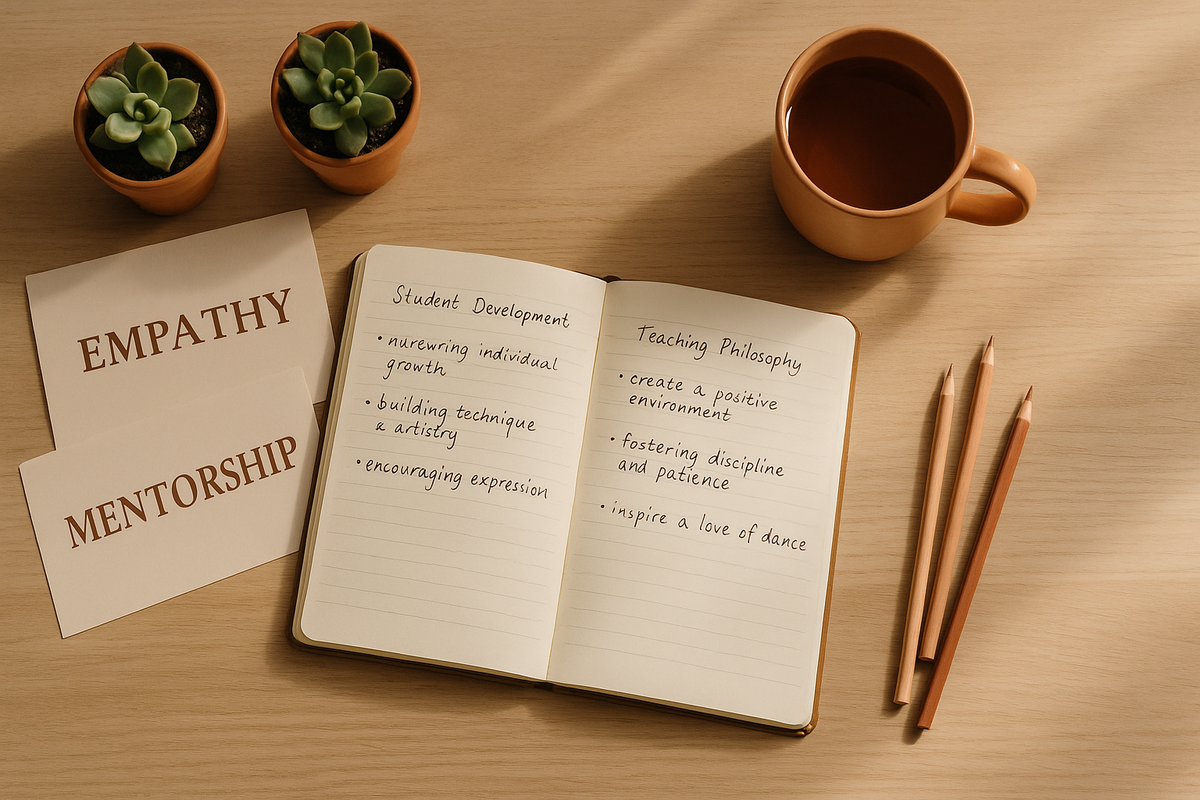
- Holistic artist development has emerged as the defining philosophy in 2026 dance education, with technique remaining essential but no longer the sole measure of success; educators now balance discipline with empathy, psychology, music, storytelling, and long-term passion.
- Codes of conduct and ethical frameworks are being formalized across studios and teaching organizations, grounded in the principle that dancers should be treated with dignity as ends in themselves, not as means to competition trophies or performance outcomes.
- Dance instructors serve as mentors, not just choreographers, often becoming the trusted adult to whom students confide struggles; this requires educators to develop teaching philosophies, understand learning theories, and deploy multiple pedagogical approaches.
- The DanceOne Summit in New York City (August 13-16, 2026) will formalize this philosophical shift, supporting educators as leaders, mentors, and lifelong learners rather than purely technique deliverers.
- Social identity and group attachment in dance education drive engagement and motivation, with successful studios cultivating environments that prioritize safety, social-emotional well-being, and full self-expression regardless of age or experience level.
- The field remains divided on pedagogical approach, with some educators championing traditional modern dance class structures and others advocating somatic, inside-out methods; consensus on "thought leadership" in dance education has yet to emerge.
Why Dance Education Philosophy Is Shifting in 2026
Dance studio owners and instructors are navigating a fundamental philosophical pivot in 2026. Being a well-rounded dance educator now means developing the student's mind alongside the body, sustaining passion over decades, and nurturing growth as whole human beings, according to a recent Dance Informa analysis on educator evolution. Technique remains essential, but it is no longer the finish line.
This shift is live and urgent. The DanceOne Summit, scheduled for August 13-16 in New York City, will explore this evolving philosophy as one of its central themes, positioning educators not just as instructors but as leaders, mentors, and lifelong learners. Meanwhile, studios are grappling with ethics frameworks, generational expectations, and the educator's expanding role as mentor, psychologist, and cultural steward.
The challenge is real: studios and individual educators lack consensus on what "thought leadership" even means in dance education. The field remains fractious on technique versus holism, tradition versus innovation, and discipline versus empathy.
The Move Toward Codes of Conduct and Ethical Frameworks
Several studios and teaching organizations have formalized codes of conduct for instructors in 2026. The Chicago National Association of Dance Masters has stated that "a child's body is a precious thing," emphasizing that dancers should not be treated as a means to an end goal and that abusive methods cannot be justified, per Dance Informa's reporting on ethical teaching practices.
Ethics frameworks are being drawn from deontological principles, the idea that all human beings should be treated with dignity and respect as ends in themselves, and from virtue ethics emphasizing traits such as compassion, patience, generosity, fairness, and sensitivity. Dancers, administrators, choreographers, teachers, students, and parents are being encouraged to work collaboratively to determine common values, principles, rights, and responsibilities for studios, schools, programs, and companies.
Studio owners are being advised to work with teachers to set codes of conduct ensuring studios are safe spaces, and to encourage policies that prevent oversexualization of choreography, music, and costumes. This represents a structural response to long-standing concerns about power dynamics and student welfare.
The Educator as Mentor and Trusted Adult, Not Just Technique Deliverer
Dance instructors occupy a trusted position with students. It is common for children to confide in a trusted adult, and a dance teacher may be the only adult in a student's life who knows they are hurting, according to Dance Informa's examination of educator responsibilities. Teachers are a crucial link in the chain when it comes to protecting youth and providing the best dance education.
This mentorship role requires more than strong technique. Dance instructors should be skilled educators, meaning they develop a teaching philosophy, maintain a working understanding of learning theories, and have numerous pedagogical approaches available to them. Yet this is not universal practice. Studio owners continually face the challenge of finding qualified instructors, with many applications from dancers but few from trained dance teachers, per Zippia's analysis of dance teacher employment trends. Being a skilled dancer does not necessarily translate into being skilled as a teacher.
Studio owners who step into the role of manager and mentor produce teachers who are committed to growing their skills to pass on to students, keeping their passion for teaching their best class every week, and remaining dedicated to dance families, according to Dance Informa's coverage of studio leadership models.
Discipline Plus Empathy: The Dual Framework Defining 2026 Studios
Studios in 2026 are increasingly developing environments that focus on safety along with the social-emotional and physical well-being of students. These studios operate in a disciplined yet positive environment that encourages the development and full self-expression of each dancer regardless of age or experience, per Dance Informa's profile of emerging studio models.
Dance education encourages young dancers to develop discipline through consistent practice, commitment, and perseverance, fostering a strong work ethic that extends to academic pursuits, personal relationships, and future career endeavors. Simultaneously, educators are being trained to balance that discipline with empathy, expanding technique through psychology, music, storytelling, and lived experience.
Misty Lown, founder of "More Than Just Great Dancing," continues to guide hundreds of studio owners across the country and leads more than 80 performing arts schools impacting thousands of young students each week, according to Dance Informa's reporting. This indicates that a formalized thought leadership movement is emerging from studios themselves, not just from professional organizations or higher education.
Social Identity, Group Attachment, and Student Motivation
In both community dance studio and educational settings, dance is generally taught and learned as a group activity. When individuals feel a meaningful attachment to the group, social identity is informed by cultural norms, values, beliefs, and goals that are common to that group activity and becomes important for engagement and motivation, per Dance Informa's analysis of group dynamics in dance education.
This insight has practical implications for studio owners. Creating environments where students feel they belong, where values are shared and explicit, and where the studio culture is intentional rather than accidental can directly impact retention, motivation, and long-term passion for dance.
Pedagogical Pluralism: No Consensus on Teaching Philosophy
Dance educators differ significantly on philosophy. Some, like Bebe Miller, are proponents of traditional modern dance class structure with warm-up, across-the-floor exercises, and the "big dance," while others follow more free-form, experimental trends, according to Dance Informa's survey of pedagogical approaches. Teachers like Jodi Melnick teach from the inside out, making sense of how organs, tissues, muscles, and bones inform a dancer's technique rather than focusing on external lines and shapes.
This pluralism shows that the field has not reached monolithic consensus. Studio owners must navigate competing philosophies and decide which approach aligns with their values, student population, and long-term goals. The lack of a single orthodoxy can be both a strength, allowing for innovation and customization, and a challenge, complicating staff training and parent communication.
Organizational Support: NDEO Standards and Professional Development
The National Dance Education Organization (NDEO) is a non-profit dedicated to advancing dance education centered in the arts for people of all backgrounds, providing dance artists, educators, and administrators a network of resources and support, a base for advocacy and research, and access to professional development opportunities, per Dance Informa's overview of NDEO's mission.
The NDEO National Dance Education Conference, held every fall, is the premier professional development event for dance educators, offering more than 250 workshops, master classes, panel discussions, paper presentations, social events, and performances. NDEO is also offering online courses including new offerings in "Teaching Hip Hop Dance: Context, Culture and Curriculum," "Dance History in the USA," and "Creating an Ethics and Pedagogy of Teaching with(out) Touch," according to Dance Informa's reporting on NDEO programs.
Higher education is undergoing significant policy changes in 2026, including shifts in federal guidance on Diversity, Equity, and Inclusion and major changes in Title IX, carrying broad implications for arts disciplines rooted deeply in access, expression, and community. These were discussed at the NDEO 2025 National Conference, signaling that policy context is shaping pedagogical evolution at the organizational level.
What This Means for Dance Studio Owners
Editorial analysis — not reported fact:
Studio owners in 2026 face a choice: continue operating under legacy models where technique mastery is the primary metric of success, or embrace a holistic philosophy that treats students as whole human beings with minds, emotions, and long-term aspirations beyond performance. The DanceOne Summit this August will likely accelerate this shift, creating a cohort of educators trained explicitly as mentors and leaders, not just choreographers.
If you have not yet developed a formal code of conduct for your teaching staff, this is the year to do it. Collaborate with your instructors, students, and parents to articulate shared values, rights, and responsibilities. Make those values visible in your studio culture, parent communication, and hiring practices. The most successful studios in the next decade will be those that plan ahead not only for student outcomes but for the health and legacy of the person running the business.
Invest in teacher training that goes beyond technique clinics. Send instructors to professional development focused on learning theories, ethics, and pedagogy. Consider NDEO's online courses or the DanceOne Summit. Recognize that hiring a skilled dancer is only the first step; you must develop that dancer into a skilled teacher.
Finally, accept that there is no single "right" teaching philosophy in 2026. The field is pluralistic. Your job is to choose an approach aligned with your studio's mission, communicate it clearly, and execute it consistently. Whether you lean traditional or experimental, technique-first or somatic, the key is intentionality and transparency with families.
Sources & Further Reading
- Dance Informa: The Well-Rounded Dance Educator — covers holistic development, ethical frameworks, DanceOne Summit details, and educator roles as mentors
- Zippia: Dance Teacher Employment Trends — analysis of hiring challenges and the gap between skilled dancers and trained teachers
Editorial coverage of publicly reported industry developments. Dance Studio Journal has no commercial relationship with any companies, studios, competitions, conventions, or organizations named.