The Body Image Crisis in Dance Studios: Moving Beyond Lip Service
35% of female ballet dancers suffer from eating disorders, and 20% of dancers have PTSD. Why trauma-informed teaching is now essential for studio owners.
Key Takeaways
- Eating disorder rates among ballet dancers: 35% of female ballet dancers suffer from eating disorders, compared to 10% of the general population of young girls.
- Trauma prevalence in dance: More than 20% of dancers in a California State University sample had PTSD, and more than 28% reported being victims of non-sexual or sexual assault as adults.
- Body-positive teaching principle: The cardinal rule is to correct students' dancing, not their bodies—reframe corrections to focus on technique and expansion rather than physical limitations.
- Childhood trauma statistics: 22% of children in the United States have experienced two or more potentially traumatic events, making trauma-informed teaching essential for dance educators.
- Body kindness over body positivity: Educators are shifting to body kindness, rooted in the belief that even on hard days, bodies deserve respect and values are not dependent on how bodies look or perform.
- Hidden body shaming persists: Body shaming remains toxic in studios but has become more hidden and subtle, with institutional messaging occurring even when teachers are not actively body shaming.
Why the body image crisis in dance demands immediate studio-level action
The dance industry faces a documented mental health emergency. Research shows that 35% of female ballet dancers suffer from eating disorders, more than three times the rate in the general population of young girls. Yet despite widespread social media awareness and Instagram accounts like Pointe for Progress gaining traction, most dancers never seek professional help.
Studio owners now operate in a landscape of conflicting pressures: maintaining competitive edge versus protecting mental health, honoring classical aesthetics versus embracing diversity. The gap between industry rhetoric ("every body is a ballet body") and on-the-ground practice remains vast, and that gap carries measurable human cost.
The scope of trauma extends beyond eating disorders
Body image issues represent only one dimension of a broader trauma landscape in dance training. A California State University study found that more than 20% of dancers had PTSD, more than 18% had four or more adverse childhood experiences, and more than 28% reported being victims of non-sexual or sexual assault as adults.
According to the latest National Survey of Children's Health results, 22% of children in the United States have experienced two or more potentially traumatic events. Teachers of adults are more likely to have students enroll with prior trauma specifically from dance, as most students traumatized in a dance situation leave training and do not return until they are adults.
How coaches shape body image through language and validation
Coaches significantly impact young dancers' relationships with their bodies as influential role models. They primarily contribute to body image discourse through how they display, shape, and validate the body in class. Dancers are conditioned from an early age to seek perfection in every movement, with success tied to aesthetics, leading many to believe their body type must fit a specific mold.
Phrases used in dance classes such as "I can see your lunch" or "suck in your stomach" introduce young dancers to an unhealthy relationship with food and their bodies. Body shaming remains a toxic presence in the studio, but it has become more hidden and more subtle. For decades, dance training has operated on the belief that toughness breeds excellence, with harsh teaching methods, body shaming, and a disregard for mental health often justified as "preparing dancers for the industry."
Trauma-informed teaching moves from fringe to essential professional development
Courses in how to teach students with trauma are becoming essential professional development for dance educators. Recent offerings on trauma-informed teaching practices for dance educators address a critical need, helping teachers navigate stress, trauma, and burnout in classes through sustainable and compassionate practices.
The National Dance Education Organization (NDEO) supports dance teachers from studios, K-12 schools, colleges, and universities with professional development, resources, networking, and advocacy. NDEO's Creating Gender Inclusive Dance Spaces course presents strategies for increasing inclusivity regarding gender, providing tools and methods so educators can disrupt gendered practices and increase representation.
The NHSDA Love Your Body Week is a national campaign to encourage body positivity and celebrate what bodies can do, with dance teachers exploring keys to building a healthy dance environment for all bodies.
Practical teaching strategies that correct dancing, not bodies
The cardinal rule of body-positive teaching is to correct students' dancing, not their bodies. Rather than targeting a shorter dancer's perceived limitation, reframe corrections to focus on technique and expansion. Instead of forcing body positivity, educators are encouraging body kindness, rooted in the belief that even on hard days, bodies are deserving of respect and that values are not dependent on how bodies look or perform.
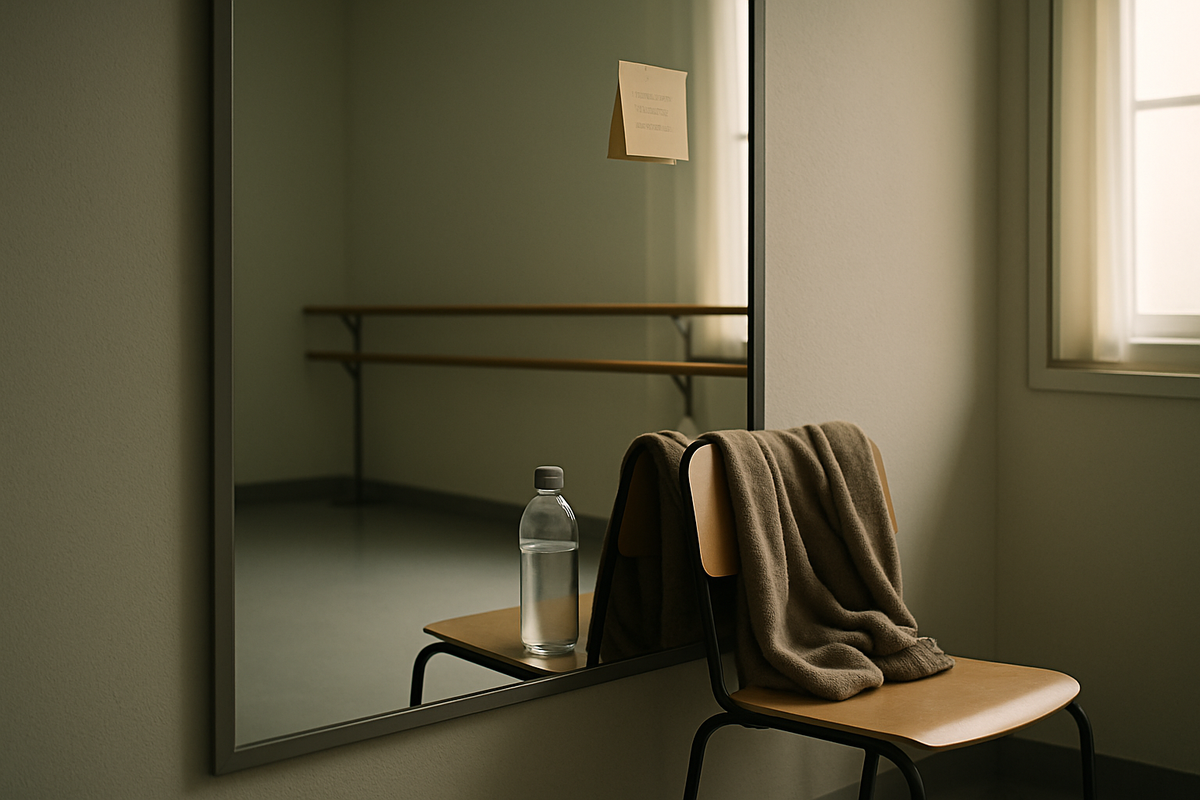
Rather than facing the mirror for every class, some studios are reorienting movement to challenge students and help them understand how movements feel in their bodies rather than focusing solely on how they look. Inclusivity is at the forefront in 2026, with adaptive dance packages making the art form accessible to individuals of all abilities.
Why institutional resistance persists despite growing awareness of harm
Despite growing awareness of harm, many teachers struggle to let go of outdated methods because they are simply teaching the way they were taught, believing that because they survived harsh training, their students should too. Many dance educators notice how hard it is to tune out their own unconscious biases, which draw their eye to dancers with more natural turnout, flexible feet, and hyperextension—qualities the dance world has trained them to see as valuable.
Even when teachers are not actively body shaming, institutional messaging happens in the most established dance spaces. On Instagram, accounts designed to expose deep-rooted toxic behaviors of leading ballet companies have skyrocketed in popularity, with accounts like Pointe for Progress shedding light on body type representation in ballet.
Studio-level innovation demonstrates viable alternatives
Studios like Amp It Up Dance Studio in Salisbury, New Brunswick, have made news for opening with recreational and competitive programs that are respectful, inclusive groups focused on creativity and individuality. Many dancers come to body-positive studios specifically because they have had traumatic experiences as dancers previously that tainted their opinion of dancing, and now they are competing with renewed pride in who they are.
There is a call to break down the lack of body diversity in dance, the harmful language used in studios, and outdated teaching methods that exclude bigger-bodied dancers, to ensure dance is for every body.
What This Means for Dance Studio Owners
Editorial analysis — not reported fact:
Studio owners face a choice between perpetuating generational harm and building a sustainable model that retains students long-term. The data on eating disorders, PTSD, and assault prevalence among dancers suggests that traditional "toughness breeds excellence" approaches carry measurable human costs. Those costs eventually translate to business costs through student attrition, reputation damage, and potential liability.
Implementing trauma-informed teaching is not a competitive disadvantage. Studios that correct dancing rather than bodies, that practice body kindness over forced positivity, and that orient students away from mirrors to focus on internal sensation are reporting students who return with renewed pride after traumatic experiences elsewhere. That represents a competitive advantage in a market where 22% of children arrive with two or more potentially traumatic events already in their history.
Professional development in trauma-informed teaching and gender-inclusive practices is available now through NDEO and other organizations. The question for studio owners is not whether to address body image and trauma, but whether to address it proactively through training and policy changes, or reactively after a student or family crisis forces the conversation.
Sources & Further Reading
- National Eating Disorders Association: Every Body Can Dance — eating disorder prevalence rates among dancers and body positivity in dance education
- Appolla Performance: Beyond the Mirror — California State University study on PTSD, adverse childhood experiences, and assault among dancers
- Dance Teacher: Body Shaming Dance Students — how coaches shape body image and the impact of harmful language in class
- Dance Informa: Practicing Trauma Sensitivity in Your Dance Studio — National Survey of Children's Health trauma statistics and trauma-informed teaching practices
- National Dance Education Organization — professional development courses including Creating Gender Inclusive Dance Spaces and resources for dance educators
- The Brainy Ballerina: 3 Ways to Build Better Body Image in Dancers — practical teaching strategies including correcting dancing rather than bodies
- Dance Teacher: Unconscious Biases in Dance Teaching Practice — institutional resistance and generational teaching patterns
- Pointe Magazine: Body Shaming in Ballet — hidden body shaming and toxic studio culture
Editorial coverage of publicly reported industry developments. Dance Studio Journal has no commercial relationship with any companies, studios, competitions, conventions, or organizations named.