Starting Your Dance Journey: A Beginner's Playbook for 2026
Adult enrollment surges as studios adopt beginner-friendly models. Learn how to choose your first style, prepare for your first class, and overcome psychological barriers.
Key Takeaways
- Adult enrollment surges in 2026: Dance studios report growing adult student populations seeking movement-based wellness and creative outlets, with flexible pricing models and beginner-friendly classes removing traditional barriers to entry.
- Psychological barriers exceed technical ones: Fear of judgment, intimidation, and feeling out of place represent the largest obstacles for beginners—larger than concerns about coordination or step memorization—but gradual exposure in beginner-only environments reduces these fears within weeks.
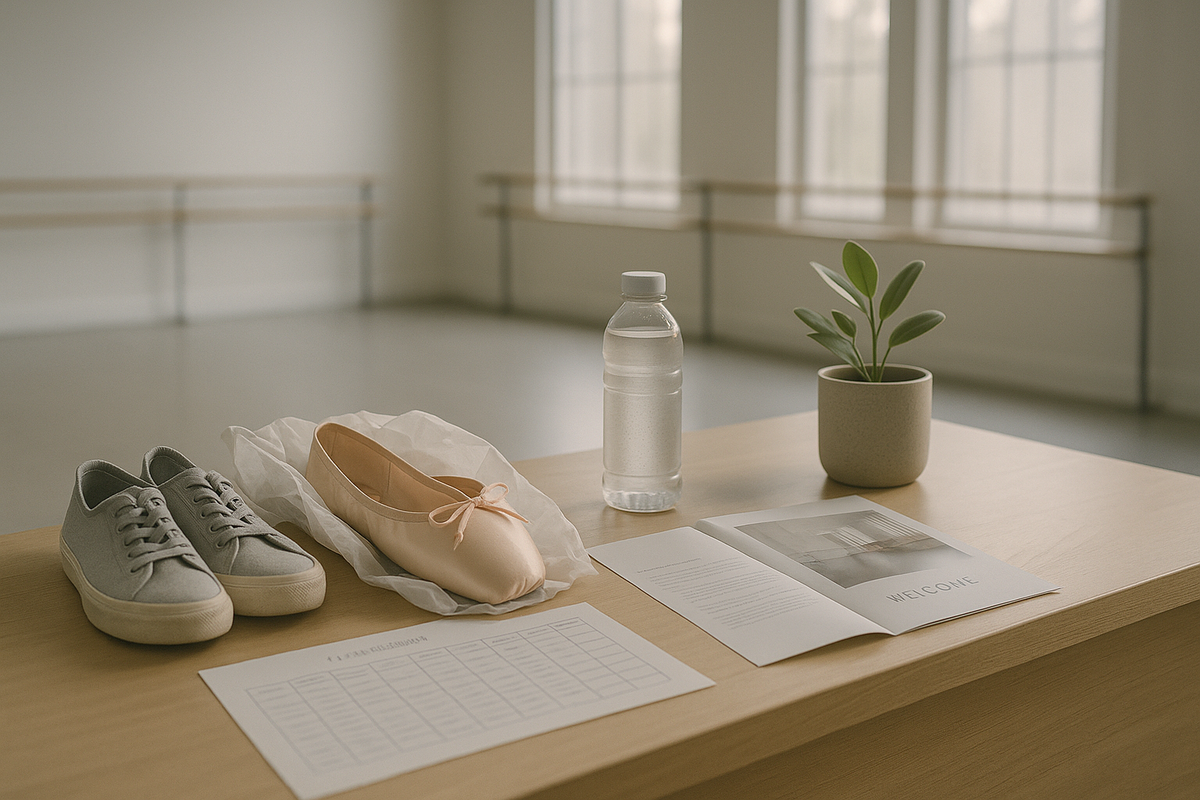
- First-class readiness checklist: True beginners should select "Intro" or "Level 1" classes, wear breathable flexible clothing, choose style-appropriate footwear (ballet slippers, jazz shoes, or sneakers), and commit to 1–2 classes weekly for 4–6 weeks to build foundational confidence.
- Style selection depends on personality and goals: Ballet offers structure and discipline with classical foundations, hip-hop emphasizes creative expression and energy, jazz balances both approaches, while trending beginner-friendly styles in 2026 include line dancing, bachata, and K-pop choreography for social accessibility.
- Industry shift favors participation over perfection: The cultural narrative around dance has moved away from polished performance toward valuing the learning process, repetition, and personal expression, making 2026 an ideal entry point for adult beginners.
- US dance market projected at $5.0 billion in 2026: The industry continues expanding with 2.3% growth this year, driven by hybrid models combining in-person core experiences with on-demand video libraries and low-commitment class pack options.
Why Dance Studios Are Prioritizing Adult Beginners in 2026
Dance studios across the United States are experiencing a documented surge in adult enrollment as students seek movement-based wellness, social connection, and creative outlets beyond traditional fitness. According to industry projections tracked by Statista, the US dance market is expected to reach $5.0 billion in 2026, including a 2.3% expansion this year alone.
The studios seeing the fastest growth in 2026 share a common model: in-person classes as the core experience, supplemented by on-demand video libraries and occasional livestream options. Many recognize that existing parents want to dance too but assume the studio is kids-only, prompting studios to launch beginner-friendly adult classes on a low-risk trial basis, often one evening per week with flexible pricing through class packs, tiered memberships, and drop-in rates.
The cultural narrative has shifted. According to Dance Magazine's trend analysis, perfection is no longer shaping modern dance—participation, repetition, and personality are. Where dance was once treated as a performance requiring polish before being shown publicly, people are now just as interested in the learning process as they are in the final result.
Understanding the Real Barriers: Psychology Over Technique
Most beginners assume the challenge is primarily technical. They worry about memorizing steps, finding the beat, developing coordination, or learning enough movements to feel comfortable. While those challenges are real, the biggest obstacles to learning dance are psychological rather than technical, according to guidance published by social dance educators.
Fear of making mistakes, looking awkward, rejection, and not belonging top the list. One major source of nerves is the fear of judgment from instructors and fellow students—worries about being the least experienced in the room or whether mistakes will stand out. Research supports the prevalence of these concerns: a 2024 meta-analysis in Ageing Research Reviews found that structured dance was as effective as other physical activities in reducing anxiety, and dance programs had completion rates of 86 to 100 percent, largely because participants enjoy them and continue attending.
The good news is that fear of being judged and "doing it wrong" are natural evolutionary responses that can be overcome with gradual exposure in a safe environment. The key is starting in beginner classes where everyone is at your level, in a studio with a judgment-free atmosphere. Each class gets easier, and the vast majority of students notice a significant change within a few weeks.
First-Class Preparation: What to Wear, Bring, and Expect
For absolute beginners, the right preparation removes logistical anxiety and allows focus on the experience itself. Industry guidance for first-time students recommends choosing a true beginner class, clearly labeled "Intro" or "Level 1," where instructors break down steps so everyone can follow along.
Footwear depends on the style: ballet slippers for ballet, jazz shoes for jazz, and sneakers for hip-hop. Wear breathable, flexible clothing such as leggings, joggers, or fitted tops that allow full range of motion. Most studios do not require specific branded dancewear for introductory classes, removing another potential barrier.
For steady progress, aim for 1–2 classes per week. Consistency matters more than intensity at the beginner stage. According to DanceUS guidance, most beginners start feeling confident after 4–6 weeks of consistent practice, a timeline that helps set realistic expectations and reduces discouragement during the initial learning curve.
Choosing Your First Dance Style: Personality, Goals, and Trending Options
Multiple factors drive style selection, including personality, musical preferences, physical goals, and social aspirations. The most common beginner styles each offer distinct benefits and experiences.
Ballet: Discipline, Grace, and Technical Foundation
Ballet emphasizes grace, discipline, and technique, making it a strong foundation for dancers who later explore other styles. According to Dancebeat's beginner style guide, ballet classes focus on building strength, flexibility, and proper form while improving posture and poise. The clear 3/4 timing makes it one of the best styles for beginners to master balance and control. Ballet suits detail-oriented students who love structure and enjoy moving to classical music.
Hip-Hop: Energy, Expression, and Creative Freedom
Hip-hop classes are full of energy, fun, and creativity. Unlike ballet's formal structure, hip-hop allows for greater freedom of expression, with dancers using dynamic movements and often incorporating their own flair and style. DanceUS notes that hip-hop is great for beginners because it focuses less on strict moves and more on enjoying the music and expressing yourself. This dance style helps build confidence, improves coordination, and brings joy to dancing, making it popular for outgoing students who love a beat and enjoy being in the spotlight.
Jazz: The Balance Between Structure and Freedom
Jazz strikes a balance between the discipline of ballet and the energy of hip-hop, making it ideal for students who want to experiment with different movement vocabularies in one class. It offers both technical rigor and room for personal interpretation.
Tap: Rhythm, Musicality, and Percussion
Tap is all about rhythm and sound, perfect for students who love music and enjoy playing with rhythm as both dancer and percussionist.
Trending Beginner-Friendly Styles in 2026
According to Dance Magazine's 2025–2026 trend forecast, several styles are gaining traction specifically among adult beginners:
- Line Dancing and Country-Pop: Easy, fun, and repeatable, these styles are perfect for gatherings, parties, and beginners looking for a simple social entry point.
- Bachata: Almost instantly accessible in social situations, bachata is easy to start and easy to feel, with step patterns simple enough for beginners yet romantic and expressive in quality.
- K-Pop Choreography: Designed for repeat value and viral shareability, K-pop choreography remains one of the biggest dance trends in 2026, offering energetic, accessible routines with global fan communities.
Building a Home Practice Routine That Supports Studio Learning
Home practice accelerates progress between studio classes, but structure matters more than duration. Short, focused sessions of 15–20 minutes, three to four times per week, reinforce muscle memory and build comfort with foundational movements without risking burnout or injury.
Effective home practice for beginners includes reviewing class choreography, drilling basic steps slowly to build precision, stretching for flexibility and injury prevention, and filming yourself to self-assess alignment and timing. Many studios now offer on-demand video libraries specifically to support home practice, allowing students to revisit instructor demonstrations at their own pace.
Avoid the temptation to learn advanced choreography from social media before mastering fundamentals. Proper technique prevents injury and accelerates long-term progress far more effectively than rushing through trendy combinations.
What This Means for Dance Studio Owners
Editorial analysis—not reported fact:
The convergence of adult enrollment growth, psychological-barrier awareness, and flexible pricing models creates a significant opportunity for studio operators in the second half of 2026. Studios that explicitly label beginner classes, train instructors to address fear and judgment in the first three sessions, and offer low-commitment entry points such as four-week intro packages or single drop-in trials will capture the expanding adult market more effectively than those relying solely on traditional semester-based enrollment.
Marketing should speak directly to the psychological barriers: use testimonials from adult beginners who describe overcoming fear, not just physical achievement. Highlight the 4–6 week confidence timeline in promotional materials to set realistic expectations. Consider hosting free beginner workshops or "absolute beginner" socials for styles like bachata or line dancing that lower the stakes and create immediate community.
Operationally, the hybrid model—in-person core classes supplemented by on-demand practice videos—serves both revenue diversification and student retention. Adult students value the ability to review material at home and appreciate transparency around what to wear, what to bring, and what the first class will cover. A dedicated beginner FAQ page on your studio website, covering footwear, dress code, parking, arrival time, and what happens in the first 15 minutes, removes friction that prevents inquiries from converting to registrations.
Finally, recognize that beginner retention hinges on emotional safety as much as instructional quality. Studios that cultivate a judgment-free atmosphere, celebrate small progress publicly, and train instructors to acknowledge and normalize beginner fears will see the 86–100 percent completion rates documented in structured dance programs rather than the higher attrition common in intimidating environments.
Sources & Further Reading
- Statista: Dance Market Outlook, United States—Projected US dance market revenues and growth data for 2026
- Dance Magazine: Dance Trends 2025—Analysis of cultural shifts toward participation over perfection, trending beginner styles including line dancing, bachata, and K-pop choreography
- Social Dance: Overcoming Fear and Anxiety in Dance—Psychological barriers facing beginners and strategies for gradual exposure
- Ageing Research Reviews: Dance and Anxiety Meta-Analysis (2024)—Research on dance program completion rates and anxiety reduction
- Dancebeat: Beginner's Guide to Choosing a Dance Style—Style selection factors, first-class preparation, and footwear guidance
- DanceUS: Getting Started—Beginner timelines, class frequency recommendations, and confidence-building expectations
- DanceUS: Dance Styles—Beginner-friendly style descriptions including hip-hop benefits and accessibility
Editorial coverage of publicly reported industry developments. Dance Studio Journal has no commercial relationship with any companies, studios, competitions, conventions, or organizations named.