Smart Equipment Investment for Dance Studios in 2026
Sprung floors, mirrors, barres, sound systems, and costume strategies—how to prioritize equipment investments that balance safety, ROI, and cash flow in 2026.
Key Takeaways
- Sprung or floating floors are foundational safety equipment, not cosmetic upgrades, typically costing $5,000–$15,000 depending on studio size and representing the single most important injury-prevention investment for any dance studio.
- Multi-style studios require layered flooring strategies since different dance genres demand different surfaces—contemporary needs sprung floors, hip hop works best on marley, and tap requires hardwood—making one-size-fits-all approaches obsolete in 2026.
- Sound system investments have shifted from volume to clarity over the past year, with independent studios moving from Bluetooth speakers to purpose-built systems in the $1,000–$8,000 range that support floorwork, barre, and hybrid virtual instruction.
- Costume rental models offer control and cash flow flexibility during peak season, with hybrid approaches—renting for winter shows, selling for spring recitals—becoming a win-win strategy for studios and families managing tighter budgets.
- Total studio build-out CAPEX reaches $49,000 for core equipment including specialized flooring ($15,000) and mirrors/barres ($12,000), with annual maintenance budgets of $5,000–$10,000 required to sustain facility quality and dancer safety.
- Equipment rental reduces startup capital barriers and provides liquidity to navigate the unpredictable cash flow cycles of new dance businesses, making market entry feasible for owners without heavy upfront purchase costs.
Why flooring is the non-negotiable safety foundation in 2026
Dance studio flooring has evolved from a cosmetic decision to a foundational safety investment that directly prevents injuries and shapes parents' first impressions of professionalism. Studio owners in 2026 are far more educated and intentional about flooring choices than they were five years ago, driven by heightened awareness of dancer welfare and the competitive pressure to signal quality from the moment a prospective family walks through the door.
Sprung or floating floors typically cost $5,000–$15,000 depending on studio size and represent the premier engineering solution for impact absorption. Professional sprung floors are multi-layered systems that absorb impact forces and return energy to dancers, typically costing $8–12 per square foot. For studio owners evaluating ROI, this investment is not optional—it is the baseline for dancer safety and injury prevention in any serious training environment.
Marley floors are the premier dance flooring option used in commercial studios, performance spaces, and schools worldwide, made from slip-resistant vinyl that rolls out for effortless installation. The key insight for 2026 is that studio owners are moving away from one-size-fits-all solutions and thinking in terms of use cases—style of dance, age of dancers, class schedules, and instructor preferences—with a growing demand for transparency about what's under the surface of the floor.
Multi-genre studios need layered flooring strategies, not single surfaces
The rise of multi-style dance studios has made flooring strategy more complex. Different dance genres require different surfaces, and attempting to use a single floor type across all classes creates suboptimal training conditions and safety risks. For example, a sprung floor is essential for contemporary, marley works best for hip hop, and hardwood is required for tap to produce the proper acoustic feedback and traction.
This means studio owners must budget for multiple flooring layouts if they offer a diverse curriculum. Studios are now thinking in terms of use cases—which classes happen in which rooms, which surfaces support which techniques, and how to schedule room usage to maximize the lifespan of specialized floors. For owners with limited square footage, roll-out marley over a permanent sprung subfloor offers flexibility, but this approach requires storage space and labor to swap surfaces between class blocks.
Mirrors and barres remain the technical essentials, but installation details matter
Full-length mirrors and barres are the visual and tactile anchors of any dance studio, but proper installation is where many studios fall short. Full-length mirrors run $2,000–$5,000 and barres cost $500–$2,000, with installation details critical to safety and longevity. Mirrors must be secured firmly to walls with rosin paper between mirror and wall to absorb shock, barres positioned to avoid contact with mirrors during leaps or kicks, and mirrors installed 16–22 inches above floor level to accommodate dancers of all heights.
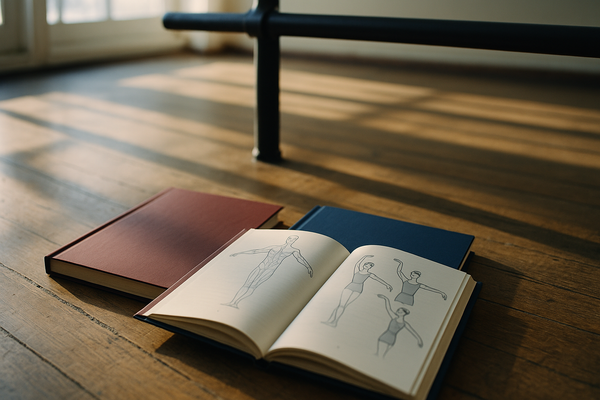
Wood barres are the preferred standard in the professional ballet industry because the natural product absorbs sweat (won't get slippery) and provides slight flexibility, unlike metal or plastic. For studios with limited wall space or those renting facilities, glassless rolling stand mirrors are a great alternative that can be easily moved and stored. These mirrors are 100% shatterproof and UL Fire Retardant rated, manufactured with super reflective metalized plastic film providing higher-grade reflection than standard plate glass mirrors.
Sound systems have shifted from volume to clarity and hybrid functionality
Sound system investments have undergone a quiet revolution over the past year. More independent studios have shifted from plug-and-play Bluetooth speakers to purpose-built systems—not for louder volume, but for consistent clarity across floorwork, barre, and choreography drills. For studios under 1,200 square feet, a 150-watt powered speaker pair with wall-mount flexibility and Bluetooth plus auxiliary input covers 90% of daily needs.
Sound systems range from $1,000–$8,000, and a quality sound system is non-negotiable for classes. Budget $1,000–$3,000 for a solid prosumer setup or up to $8,000 for a professionally installed multi-room system. Dance studio sound systems require high-quality music reinforcement with good bass, and instructors increasingly need connections for a laptop or phone plus wireless microphones so they are heard not only in the studio but also in virtual classes. This hybrid functionality reflects the lasting operational changes from the pandemic—many studios still offer virtual options for makeup classes, private lessons, or intensive workshops.
Costume rental models offer control and cash flow relief during peak season
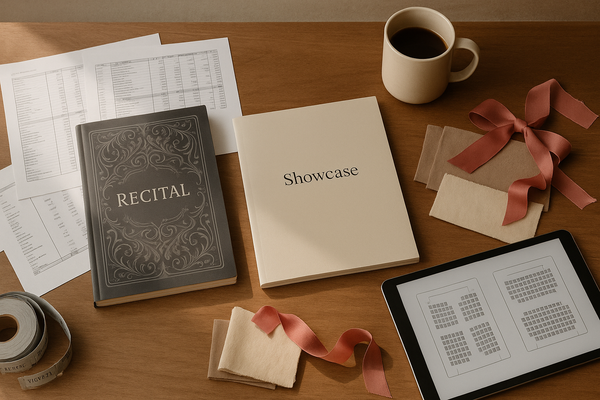
Costume decisions have become a strategic lever for managing studio cash flow and parent satisfaction. Costume rental saves money over buying, with most costume rentals including dry cleaning and a variety of styles. A hybrid model—renting costumes for the winter show and selling costumes for the spring show—can be a win-win for studios and families, allowing parents to spread costs across the season while giving studios predictable expense timing.
In-stock dance costumes are becoming one of the most valuable tools a studio owner can have going into peak season because they give owners something studios rarely get in the spring: control. When costumes are backordered or delayed, choreography timelines compress and parent frustration mounts. By sourcing in-stock inventory early or working with rental partners who guarantee delivery windows, studio owners can de-risk the recital season. Depending on the style of dance offered, you'll also need props such as ribbons, scarves, tambourines, fans, shawls, and small instruments like castanets, which can be purchased or rented alongside costumes.
Total build-out budgets and the case for renting equipment at startup
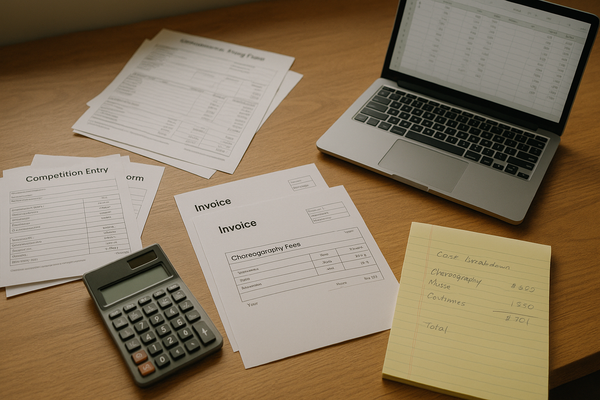
Opening a dance studio requires careful budgeting for specialized build-out and staffing, with total required funding estimated at $906,000 to cover initial capital expenditure (CAPEX) and working capital. Key CAPEX items like specialized flooring ($15,000) and mirrors/barres ($12,000) total $49,000. Budgeting for periodic upgrades and repairs often requires an allocation ranging from $5,000 to $10,000 annually, depending on equipment needs and facility usage level.
For studio owners entering the market without deep capital reserves, equipment rental offers a leaner path. Renting equipment requires less capital upfront, allowing studios to enter the market without the heavy weight of purchase costs, and circumvents hefty upfront costs, allowing for a leaner startup budget and the liquidity to navigate the ebbs and flows of a new business venture. This is particularly relevant in 2026 as post-pandemic recovery continues and access to small business credit remains uneven. To manage fixed costs, focus on sourcing quotes from specialized fitness or commercial interior suppliers, not just dance-specific vendors, and avoid premium finishes if the primary goal is function.
Proper ventilation and lighting are often overlooked aspects when equipping a dance studio. Good air circulation maintains a comfortable and safe environment, and lighting should be adjustable—bright enough for daytime classes and dimmable for performances or ambiance. These operational details shape daily teaching quality and long-term facility durability.
What This Means for Dance Studio Owners
Editorial analysis — not reported fact:
The equipment landscape in 2026 rewards studio owners who think in systems, not line items. Flooring, mirrors, barres, sound, and costumes are not independent purchases—they are interdependent components of a training environment that parents and students evaluate subconsciously within seconds of entering your facility. In an increasingly competitive market where first impressions determine enrollment rates, the studios that thrive will be those that invest strategically in the foundational safety equipment (sprung floors, proper mirrors) while managing cash flow intelligently through rental models for costumes and sound equipment leasing where appropriate.
For owners navigating tighter budgets, the shift toward transparency and use-case thinking is your advantage. Parents are more educated than ever about what constitutes a safe training environment, and they will notice if your studio cuts corners on flooring or sound quality. At the same time, hybrid rental-purchase models for costumes and in-stock inventory strategies give you control over the chaotic recital season, turning a traditional pain point into a competitive differentiator. The studios that communicate these choices clearly—why you invested in sprung floors, why you offer costume rental options, why your sound system supports both in-person and virtual instruction—will build trust and retention in a market where families have more choices than ever.
Sources & Further Reading
- Dance Informa: Dance Floor Trends What Studio Owners Should Know for 2026 and Beyond — covers marley flooring, sprung floors, and use-case thinking for multi-style studios
- ClassCard: How to Start a Dance Studio Complete Step-by-Step Guide for 2026 — provides cost ranges for mirrors, barres, sound systems, and overall startup budgets
- Alibaba Electronics: Dance Studio Sound System Guide What You Actually Need — details the shift from Bluetooth speakers to purpose-built systems and hybrid functionality
- StageStep — professional sprung floor systems and installation guidance
- Greatmats: Commercial Dance Studio Flooring — comprehensive resource on flooring options, installation details, and cost-per-square-foot estimates
- Swyvel: How to Find Budget-Friendly Costumes for Dance Studios — explores rental vs. purchase models and in-stock inventory strategies
- WOD Guru: How Much Does It Cost to Open a Dance Studio — breaks down CAPEX and working capital requirements for studio startups
- Financial Models Lab: Dance Studio Startup Costs — details annual maintenance budgets and equipment rental strategies
Editorial coverage of publicly reported industry developments. Dance Studio Journal has no commercial relationship with any companies, studios, competitions, conventions, or organizations named.