Cross-Training for Dancers: Strength & Conditioning Guide
Strength and conditioning programs are shifting from optional to core studio offerings. Learn how PBT, Pilates Fusion, and vertical training models reduce injury risk and enhance performance.
Key Takeaways
- Strength and conditioning programs are shifting from optional to core studio offerings. Methods like Progressing Ballet Technique (PBT), now used by 10,000+ teachers in 60+ countries, reflect industry-wide recognition that conditioning builds injury prevention, performance capacity, and competitive differentiation for dance studios.
- Dance-specific conditioning differs from general cross-training. Conditioning uses exercises that mimic dance movements to build strength and flexibility within the dance context, while cross-training incorporates activities outside dance—such as yoga, Pilates, and cardiovascular work—that contribute to overall fitness, stamina, and injury prevention.
- Vertical, floor-based strength work aligns with dance biomechanics better than mat-only training. Because dance is performed upright with ground reaction forces, the International Association for Dance Medicine & Science emphasizes that much of a dancer's conditioning should occur standing with feet on the floor, transferring force through the kinetic chain rather than lying supine.
- Teacher certification in conditioning methods is becoming a professional credential. Institutions like Portland Community College now require three years of dance teaching experience plus conditioning-method certification to teach specialized classes, signaling that strength programming is a verifiable competency, not an improvised add-on.
- Competitive studios are adopting multi-discipline cross-training as standard practice. Elite competitive tracks now routinely integrate PBT, strength and conditioning, classical ballet, and technique classes into weekly training schedules, raising baseline expectations for what constitutes comprehensive dancer development.
- The artistry-versus-athleticism debate is resolving in favor of integration. Leading organizations such as DANCE|PREHAB frame strength training as enabling artistry rather than undermining it, emphasizing that athletic conditioning frees dancers' mental energy to focus on creative expression and performance quality during class and on stage.
Why dance studios are integrating strength and conditioning into core curricula
As of mid-2026, strength and conditioning programming has moved from the periphery to the center of studio operations. The International Association for Dance Medicine & Science (IADMS) emphasizes that good fitness is key to reducing injury risk, enhancing performance, and ensuring longer dancing careers. Studio owners face converging pressures: dance medicine science demonstrating clear injury-prevention benefits, liability concerns around pre-pointe readiness and overuse injuries, and competitive differentiation in saturated local markets.
Progressing Ballet Technique (PBT), a body-conditioning and strengthening program designed specifically for dancers, exemplifies this shift. Built to develop the strength, muscle memory, and body awareness that transforms movement quality, PBT has been practiced in studios worldwide for over three decades and is now used by more than 10,000 teachers in 60+ countries. The program uses graded exercises with equipment such as exercise balls and resistance bands to develop precise alignment, coordination, and control, supported by music and guided by both technical and artistic development principles.
A 2019 case study by Dr. Jenna M. Alsteen at Edgewood College found that PBT certification meaningfully changed how teachers taught, sharpened their precision in targeting specific muscle groups, and led to measurable technique improvements in their students. In a 2018 case study, 87% of survey participants implemented PBT exercises with their dance students after certification.
Conditioning versus cross-training: Understanding the distinction for studio programming
Dance enthusiasts often use "conditioning" and "cross-training" interchangeably, but the terms describe distinct approaches with different studio scheduling and teaching implications. According to dance conditioning specialist Jennifer Milner, conditioning typically refers to exercises that mimic dance movements, focusing on building strength and flexibility within the dance context itself. Cross-training, by contrast, involves incorporating activities outside of dance—such as yoga, cardiovascular work, or sport-specific drills—that contribute to overall fitness and stamina.
This distinction matters for studio owners designing class schedules and hiring instructors. Conditioning classes require teachers who understand dance-specific biomechanics, muscle recruitment patterns, and the technical demands of turnout, alignment, and relevé. Cross-training offerings may require different certifications or partnerships: a certified yoga instructor for flexibility work, a personal trainer for cardiovascular conditioning, or a Pilates instructor for core stability programming.
Elite competitive studios now routinely integrate both models. Multiple competition-focused studios list PBT classes as standard offerings alongside ballet and jazz, while also scheduling dedicated strength and conditioning sessions and technique classes in a multi-discipline weekly training cycle. This layered approach addresses dance-specific technical development while also building general athletic capacity, cardiovascular endurance, and injury-proofing movement patterns outside the mirror.
Vertical conditioning and the principle of specificity in dance training
The principle of specificity reminds us that we become strong in the positions and contexts we train. If most conditioning happens lying on the back, dancers will improve at supine movement but not at standing, balancing, or moving through space. Dance is a vertical art form, rooted in gravity and ground reaction forces. Therefore, much of a dancer's strength work should occur with feet on the floor, feeling the ground, transferring force through the kinetic chain, and cultivating postural control in upright positions.
This biomechanical reality is reshaping studio conditioning offerings. PBT incorporates vertical exercises using resistance bands and exercise balls to challenge balance, alignment, and core stability while standing or in functional dance positions. AILEY's Pilates Fusion, a progressive fitness class designed to condition dancers with exercises rooted in Pilates that also draw from yoga and dance techniques, emphasizes realigning the body with focus on posture, strength, flexibility, and stability in upright, weight-bearing positions. This model—blending Pilates, yoga, and dance—is appearing in major professional company studios and emerging independent studios nationwide.
Pilates remains a favorite among dancers because it builds deep core stability, pelvic alignment, and breath control. Movements such as pelvic tilts, leg circles, and spine articulations reinforce ballet technique and strengthen the inner core. However, studio owners are increasingly supplementing traditional mat Pilates with apparatus work and vertical conditioning to better align training with the demands of performance.
Teacher certification and the professionalization of dance conditioning
Teaching conditioning is becoming a verifiable competency, not a side skill improvised by technique teachers. Portland Community College's D 121: Conditioning for Dance course requires three years of experience teaching dance to adults plus certification in the conditioning method or somatic practice being taught. This signals institutional codification: strength and conditioning instruction now carries professional standards equivalent to technique teaching.
PBT offers a structured certification pathway, promoting certified teachers to join a vibrant network of dance professionals worldwide. The certification landscape is expanding rapidly, creating a professional development opportunity for studio owners seeking differentiation in competitive local markets. Certified conditioning instructors can command specialized class fees, attract serious pre-professional students, and reduce studio liability by following evidence-based protocols for injury prevention and pre-pointe readiness.
Major institutions are embedding conditioning into teacher training curricula. The Martha Graham School integrates CorePower—a cross-training class designed to supplement dance technique by building strength and cardiovascular endurance—into its professional training programs. This institutional adoption signals that the next generation of dance educators will expect conditioning literacy as baseline competency, not advanced specialization.
Pre-pointe readiness and injury prevention as studio liability concerns
IADMS's "Guidelines for Initiating Pointe Training" emphasize that core stability, leg alignment, foot-ankle strength, and frequency of dance training all need to be assessed before advancing to pointe. This is reshaping studio curricula: pre-pointe readiness now includes structured strength benchmarks, not just age minimums or teacher intuition. Studios that advance students to pointe without documented readiness assessments face increased liability exposure as dance medicine research becomes more widely known among parents and plaintiffs' attorneys.
Ballet places repetitive stress on certain joints and muscle groups, particularly the hips, knees, and ankles. Cross-training helps correct imbalances, improve overall conditioning, and maintain strength in areas that ballet alone may not target. It also helps avoid burnout and keeps training routines varied and engaging for students. Studio owners are finding that structured conditioning programming reduces injury rates, lowers insurance claims, and improves student retention by demonstrating a professional, evidence-based approach to dancer development.
PBT is now being appreciated and incorporated in training by all forms of dancers, athletes, physiotherapists, and even footballers, reflecting its evidence base and functional transferability. For studio owners, this cross-disciplinary validation strengthens the case for investing in certification, equipment, and dedicated conditioning class slots on the weekly schedule.
The artistry-versus-athleticism conversation: Strength as enabler, not obstacle
Throughout history, there has been a long-standing debate about whether dancers should be classified as athletes or artists. Dancers combine strength with artistry to not only leap high into the air but also look graceful as they do so. As of 2026, the industry conversation is resolving in favor of integration rather than binary classification.
DANCE|PREHAB frames the relationship clearly: "We believe strength and artistry belong together. Every dancer deserves the tools to move with confidence, resilience, and joy." This perspective—that strength enables artistry rather than undermining it—is gaining acceptance among studio owners, teachers, and choreographers who recognize that physical capacity frees mental energy for creative expression.
One dancer interviewed in recent industry coverage noted, "I've always referred to it as an athletic art, but many of the dancers at our studio will refer to it as a sport. It definitely requires a lot of technique and practice, and it requires endurance and strength. Not only are you having to have the endurance and the grace and the artistry, but then also just the muscle memory and the mental memory." Athletic training can make it easier for dancers to focus their mental energies and concentration on their creative artistry when performing, rather than compensating for physical limitations or managing fatigue.
For studio owners, this reframing has marketing and enrollment implications. Parents increasingly expect comprehensive, science-backed training that prepares students for collegiate dance programs, professional auditions, or simply lifelong healthy movement. Studios that articulate how conditioning supports artistic development—rather than treating it as separate "athletic" work—differentiate themselves in competitive markets and attract families seeking serious, holistic dance education.
What This Means for Dance Studio Owners
Editorial analysis—not reported fact:
Studio owners face a decision point: whether to treat strength and conditioning as optional enrichment or integrate it as core curriculum. The evidence suggests that integration is no longer a boutique trend but a baseline expectation for competitive and pre-professional tracks. Studios that delay adoption risk losing enrollment to competitors offering comprehensive training models, face increased liability exposure around injury prevention and pre-pointe readiness, and miss differentiation opportunities in saturated local markets.
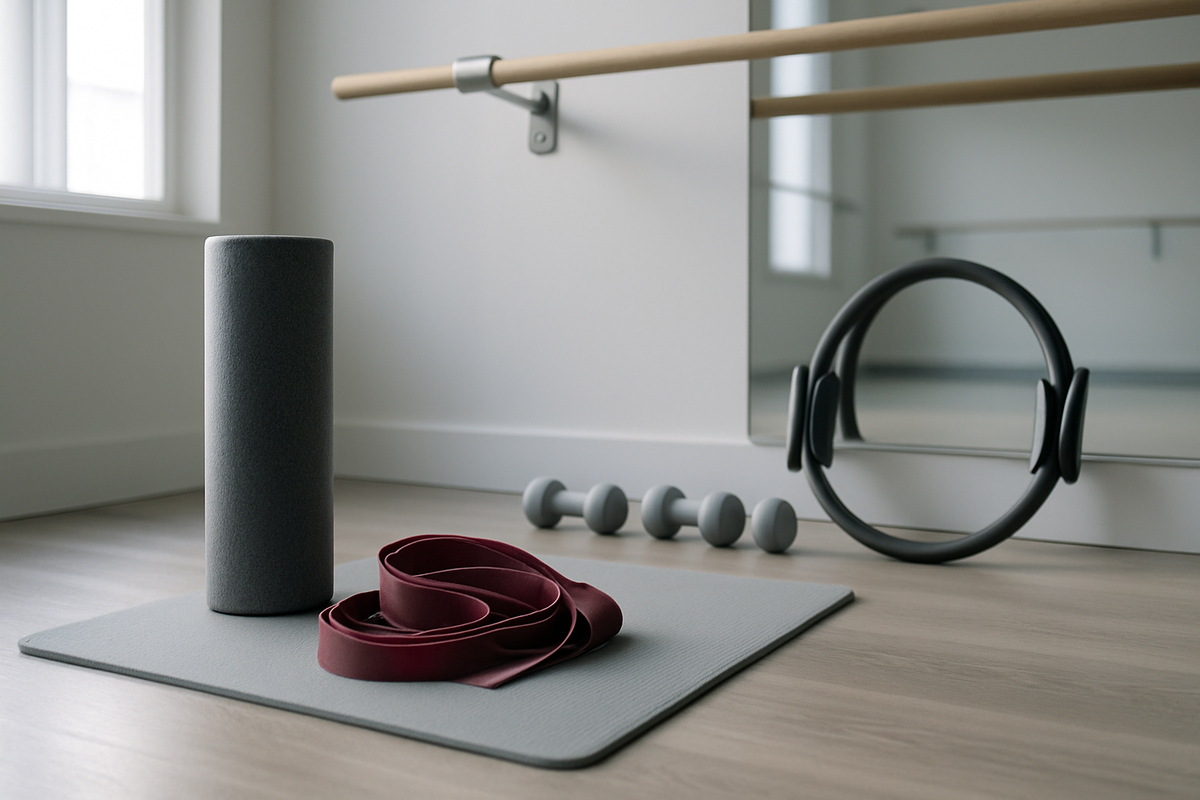
Operationally, this means auditing current schedules, identifying whether technique teachers are improvising conditioning without formal training, and investing in teacher certification pathways such as PBT or Pilates Fusion. It also means budgeting for equipment—exercise balls, resistance bands, mats—and potentially reallocating studio square footage or class time slots to dedicated conditioning sessions. For smaller studios, partnerships with certified yoga or Pilates instructors may offer a cost-effective entry point before building in-house capacity.
Messaging matters. Studios should communicate to parents that conditioning programming reflects current dance medicine science, reduces injury risk, and enhances performance capacity and artistic expression. This is not "making dance more like sports" but rather applying evidence-based training principles that professional companies, collegiate programs, and elite competitive studios already use. Framing conditioning as an investment in student longevity, confidence, and creative freedom—not a concession to athleticism—aligns with the values of families seeking serious dance education.
Finally, studio owners should monitor teacher professional development. As institutions like Portland Community College formalize conditioning teaching standards and certification bodies like PBT expand their networks, teachers with verified conditioning credentials will command higher wages and offer competitive advantages. Studios that support teacher certification now will build internal expertise, improve student outcomes, and strengthen their market position as conditioning literacy becomes an industry baseline.
Sources & Further Reading
- International Association for Dance Medicine & Science: Fit to Dance — IADMS guidelines on fitness, injury prevention, and dancer health
- Progressing Ballet Technique (PBT) — Official site for the dance-specific conditioning program used by 10,000+ teachers in 60+ countries
- PBT Research & Case Studies — Academic research on PBT certification impact and student outcomes
- Alvin Ailey American Dance Theater: Pilates Fusion — Professional company conditioning class model blending Pilates, yoga, and dance techniques
- IADMS Guidelines for Initiating Pointe Training — Evidence-based pre-pointe readiness assessment framework
- Portland Community College: D 121 Conditioning for Dance — Academic course requirements showing professionalization of conditioning teaching
- DANCE|PREHAB — Injury prevention and strength training resources for dancers
Editorial coverage of publicly reported industry developments. Dance Studio Journal has no commercial relationship with any companies, studios, competitions, conventions, or organizations named.